
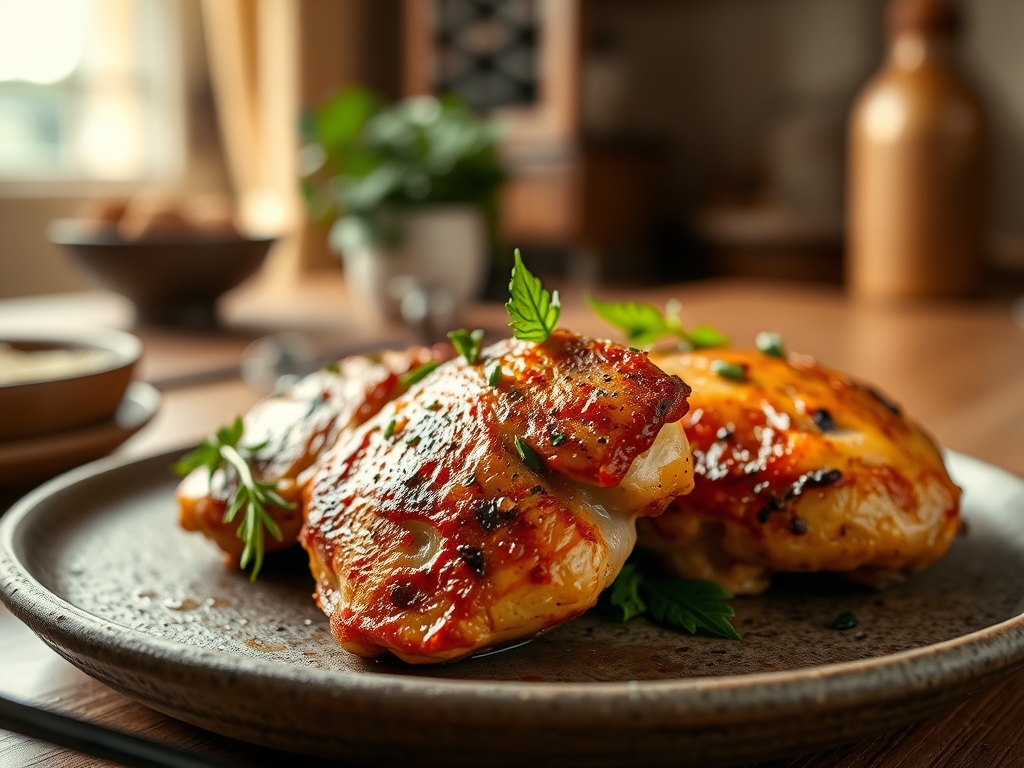
Imagine the sound of a high velocity fan circulating superheated air at four hundred degrees. It is not just noise; it is the sound of the Maillard reaction happening in record time. When you are looking for chicken recipes air fryer methods offer a unique advantage because they mimic deep frying without the lipid heavy burden. You get that shattering, golden brown crust and a succulent, steaming interior that rivals any bistro dish. We are moving past the days of dry, rubbery poultry. By leveraging convection technology, we can achieve a precise sear that locks in moisture while rendering out excess fat. It is a beautiful marriage of thermodynamics and flavor. Whether you are craving a piquant lemon herb breast or a smoky chipotle thigh, the air fryer is your most reliable kitchen ally. This is about more than just convenience; it is about mastering a tool that transforms simple proteins into gourmet experiences. Let us dive into the molecular magic of turning a standard weeknight dinner into a crispy, juicy masterpiece that feels like a total indulgence.
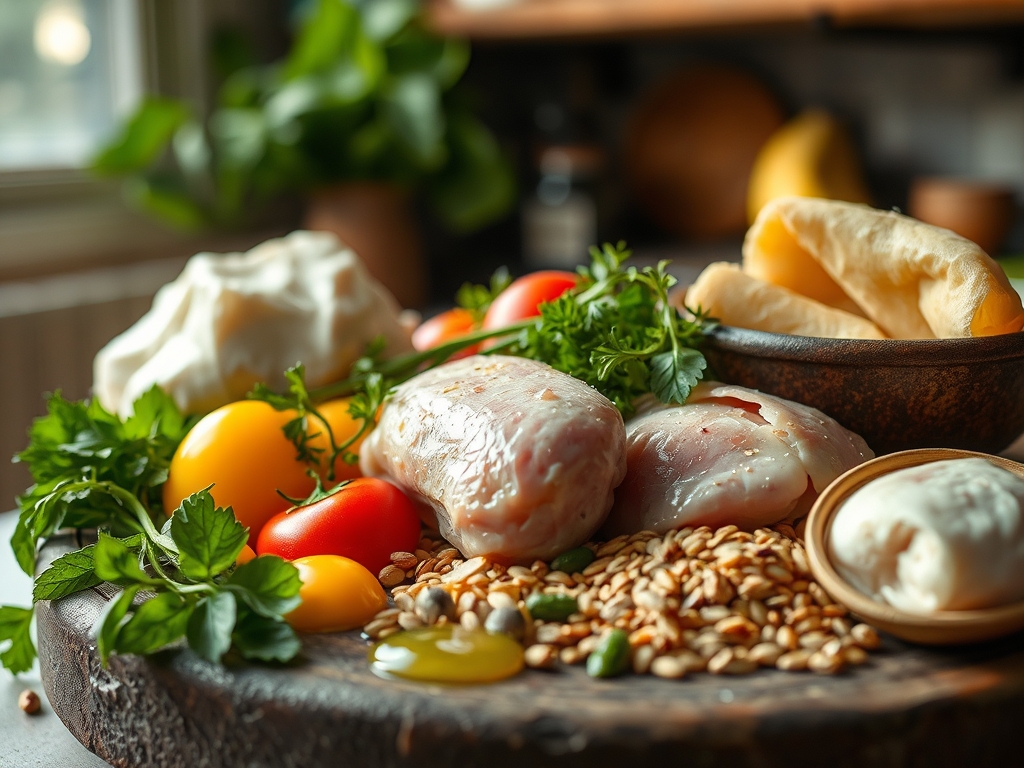
The Gathers:
Setting up your mise en place is the secret to a fluid cooking experience. You will need high quality chicken cuts, preferably organic or pasture raised for better fat distribution. Gather your aromatics: fresh cloves of garlic to be crushed, sprigs of rosemary, and perhaps some smoked paprika for that deep, earthy hue. Use a digital scale to ensure your portions are consistent; this ensures even cooking across the board. For the fats, reach for high smoke point oils like avocado or grapeseed oil. These won't break down or become acrid under the intense heat of the air fryer.
Smart Substitutions are your best friend here. If you are avoiding gluten, swap traditional breadcrumbs for crushed pork rinds or almond flour to maintain that crunch. For a vegan twist on these flavors, extra firm tofu or cauliflower florets can be treated with the same spice rubs. If you lack fresh herbs, use a microplane to zest some lemon over dried herbs to reawaken their volatile oils. The goal is to create a flavor profile that is both balanced and vibrant, utilizing acids like apple cider vinegar to brighten the savory notes of the meat.
The Clock: Chef's Flow
Efficiency in the kitchen is all about the "Chef's Flow." Prep time for these eight variations usually clocks in at fifteen minutes, while cook times range from twelve to twenty minutes depending on the thickness of the cut. The total investment is under forty minutes from counter to table. Start by preheating your air fryer for five minutes; this is non negotiable. A cold basket leads to sticking and uneven browning. While the unit heats, use a bench scraper to organize your chopped aromatics and clear your workspace. By the time the "ready" beep sounds, your chicken should be seasoned and resting at room temperature to prevent thermal shock, which can cause the muscle fibers to tighten and toughen.
The Masterclass
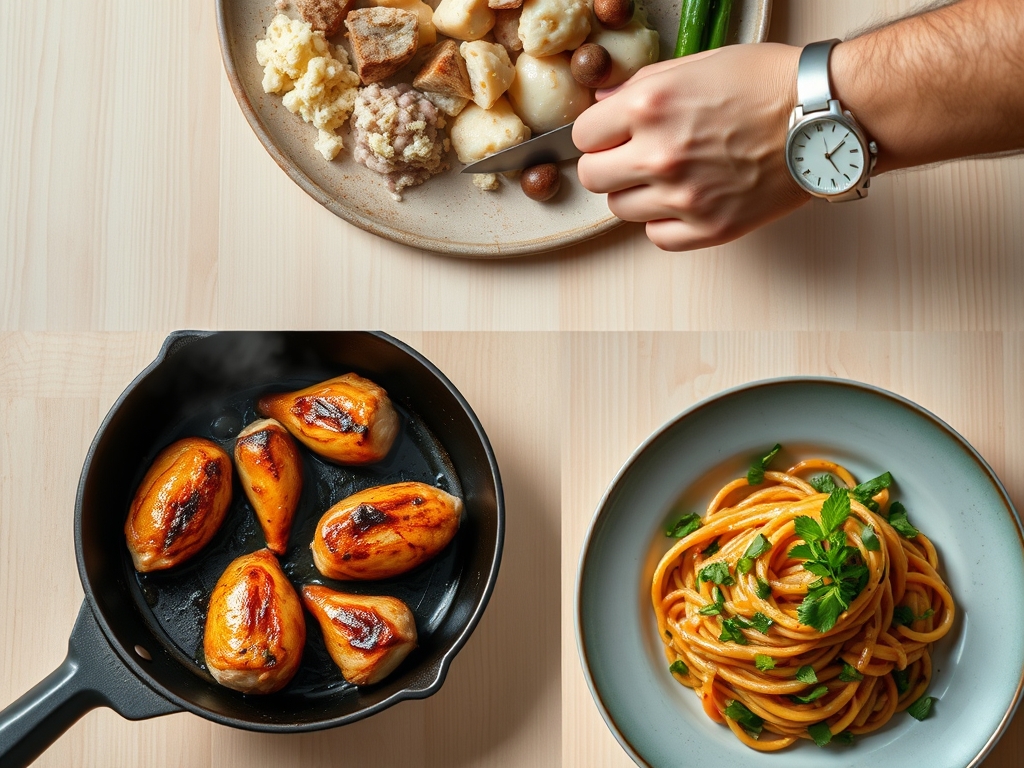
1. The Surface Preparation
Pat the chicken extremely dry with paper towels. Any residual moisture on the skin will turn to steam, preventing the crisping process. Apply a light coating of oil using a spray bottle for even distribution.
Pro Tip: This facilitates enzymatic browning. Without a dry surface, the energy of the air fryer is wasted evaporating water rather than browning the proteins.
2. The Seasoning Layer
Apply your dry rub generously. Use a heavy-bottomed skillet to lightly toast whole spices before grinding them for a more intense aroma. Ensure the salt is fine grained so it can penetrate the surface.
Pro Tip: Salt acts as a denaturant, breaking down protein structures to allow moisture to be trapped inside during the high heat blast.
3. The Aerated Placement
Arrange the pieces in a single layer with at least half an inch of space between them. Do not overcrowd the basket or you will lose the convection effect.
Pro Tip: Airflow dynamics are essential. If the air cannot circulate 360 degrees around the meat, you will end up with soggy patches where the pieces touch.
4. The Mid-Point Flip
Halfway through the cooking cycle, use tongs to flip each piece. This ensures that the side facing the heating element doesn't overcook while the bottom remains pale.
Pro Tip: Flipping redistributes the internal juices and ensures the thermal gradient remains consistent throughout the cut of meat.
5. The Internal Temp Check
Use a digital meat thermometer to pull the chicken at 160 degrees Fahrenheit. Do not wait for 165 degrees while it is still in the basket.
Pro Tip: Thermal carryover will continue to raise the internal temperature by five degrees while the meat rests, bringing it to a perfect, safe 165 degrees without drying it out.
6. The Resting Period
Place the cooked chicken on a wire rack for five minutes before slicing. This prevents the bottom from becoming soggy due to trapped steam.
Pro Tip: Resting allows the muscle fibers to relax and reabsorb the viscous juices, ensuring every bite is succulent rather than leaking onto the plate.
The Deep Dive
From a macro nutrition perspective, air fried chicken is a powerhouse. You are looking at high protein density with significantly lower fat than traditional frying. A standard breast portion provides roughly 30 grams of protein with only 3 to 5 grams of fat. For those on Keto, you can increase the healthy fats by using a pesto finish. If you are following a Mediterranean diet, a drizzle of extra virgin olive oil after cooking adds heart healthy fats and a piquant finish.
"The Fix-It" section:
- Rubbery Skin: This happens if the temperature is too low. Increase the heat to 400 degrees and ensure the skin was bone dry before oiling.
- Uneven Cooking: This is usually due to varying thickness. Use a meat mallet to pound breasts to an even thickness before seasoning.
- Smoke in the Kitchen: Fat dripping into the bottom pan can smoke. Place a slice of bread or a tablespoon of water in the bottom drawer to catch and cool the drippings.
Meal prep is a breeze if you understand reheating science. To maintain "day-one" quality, avoid the microwave. Reheat your chicken in the air fryer at 350 degrees for three to four minutes. This reactivates the crispness of the exterior without overcooking the center.
The Wrap-Up
Mastering chicken recipes air fryer style is a total game changer for your weekly routine. It combines the technical precision of professional cooking with the speed required for a busy lifestyle. You have the tools, the science, and the steps to create something truly spectacular. Now, go turn that kitchen into a high tech rotisserie and enjoy the crunch!
The Kitchen Table
How do I stop chicken from sticking to the basket?
Always preheat your air fryer for five minutes. Lightly coat the basket with a high smoke point oil using a brush or spray. Avoid aerosol cans with lecithin, as they can create a sticky buildup on the coating over time.
Can I put frozen chicken directly in the air fryer?
Yes, but increase the cook time by fifty percent. For the best texture, defrost the chicken first. This allows for better seasoning adhesion and ensures the exterior does not burn before the interior reaches a safe temperature.
Why is my air fried chicken dry?
You likely overcooked it or skipped the resting phase. Use a thermometer to pull the meat at 160 degrees. Let it rest for five minutes so the juices can redistribute throughout the fibers instead of running out.
What is the best oil for air frying?
Avocado oil is the gold standard due to its high smoke point and neutral flavor. Grapeseed oil also works well. Avoid extra virgin olive oil for high heat cycles, as its low smoke point can create a bitter taste.