
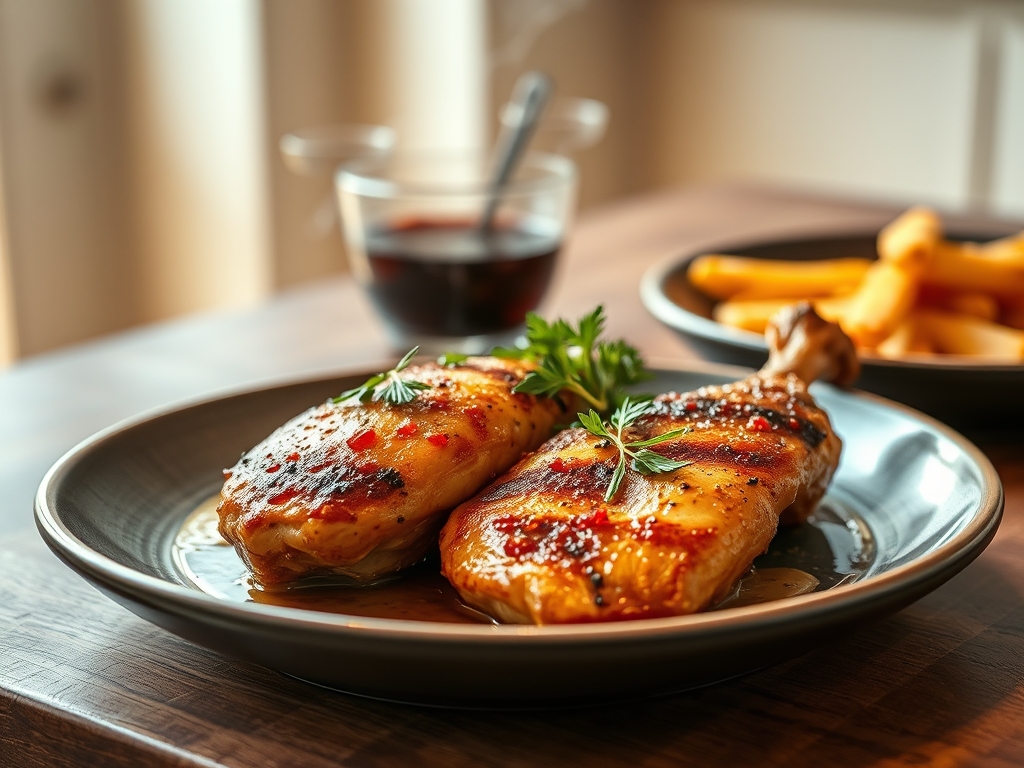
Picture the sound of a heavy-bottomed stainless steel skillet meeting a high-velocity flame. There is a specific, rhythmic sizzle that happens when cold protein hits a shimmering layer of fat; it is the sound of a Tuesday night being saved. Finding good dinner chicken recipes is not just about filling a plate; it is about mastering the alchemy of the weeknight rush. We have all been there, standing in front of the refrigerator at 6:00 PM, staring at a pack of thighs like they are a complex calculus equation. But here is the secret: chicken is the ultimate blank canvas for molecular transformation. Whether you are craving the piquant snap of a lemon-butter piccata or the deep, viscous comfort of a honey-garlic glaze, the goal is efficiency without sacrificing the soul of the dish. We are going to dive into ten variations that utilize the same foundational techniques to ensure your family never has to endure a dry, rubbery breast again. Let us turn the heat up and get technical.
The Gathers:
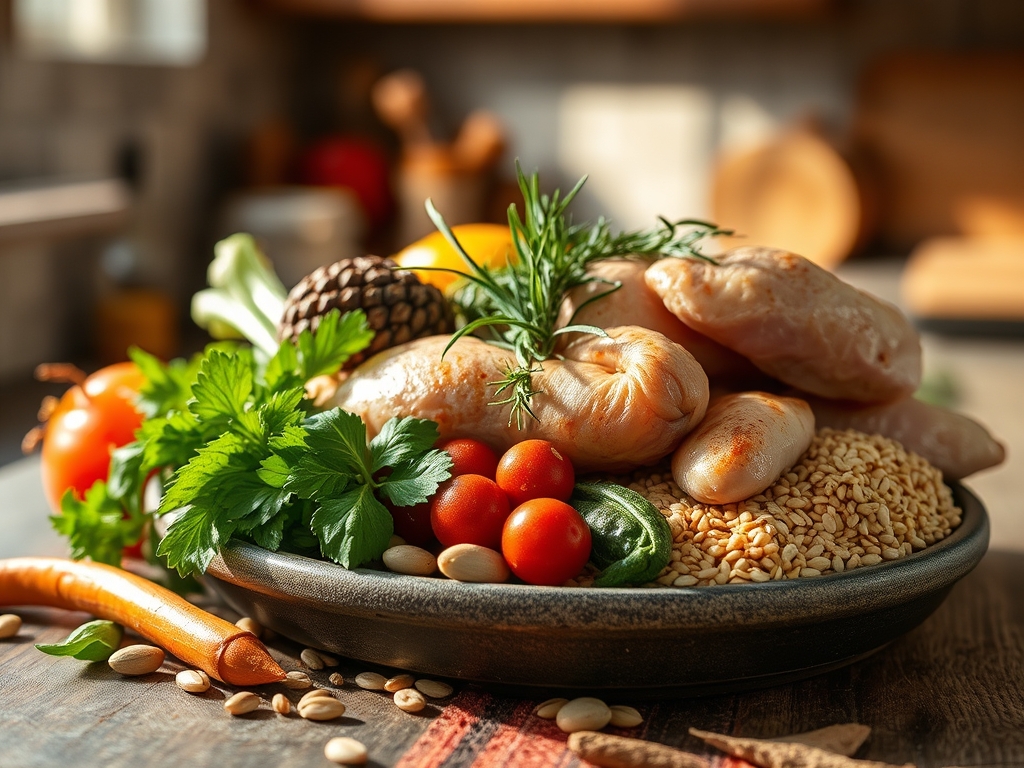
To execute these good dinner chicken recipes with precision, your mise-en-place must be organized by density and thermal resistance. Start with your aromatics: garlic, shallots, and ginger. Use a microplane to grate these into a fine paste; this increases the surface area, allowing the volatile oils to infuse the cooking fat almost instantly. For the proteins, we are looking for high-quality organic thighs or breasts. Thighs contain more connective tissue (collagen), which breaks down into gelatin during the cooking process, providing a built-in sauce thickener.
Smart Substitutions: If you are out of heavy cream for a pan sauce, whisk a teaspoon of cornstarch into whole milk to create a slurry. This mimics the viscosity of cream without the high lipid content. If a recipe calls for deglazing with white wine but your pantry is dry, use a splash of verjuice or a diluted apple cider vinegar. The goal is to provide an acidic "brightening" agent to cut through the rendered chicken fat. Always keep a bowl of kosher salt nearby; the coarse grains allow for better tactile control when seasoning than fine table salt.
The Clock:
Efficiency in the kitchen is governed by what I call the "Chef's Flow." This is the art of overlapping tasks so that no burner sits idle. For these ten recipes, the average active prep time is 15 minutes, with a total cook time of 20 minutes.
The Prep Phase (Minutes 0-15): This is where you use your bench scraper to clear your board. Chop all vegetables and prepare your sauces in a small saucier.
The Execution Phase (Minutes 15-35): This is the high-heat zone. By the time your chicken is resting (a non-negotiable step), you should be deglazing the pan to create your "fond-based" sauce. This 35-minute window is the sweet spot for maintaining the structural integrity of the vegetables while ensuring the chicken reaches a safe internal temperature of 165 degrees Fahrenheit.
The Masterclass:
1. The Perfect Sear
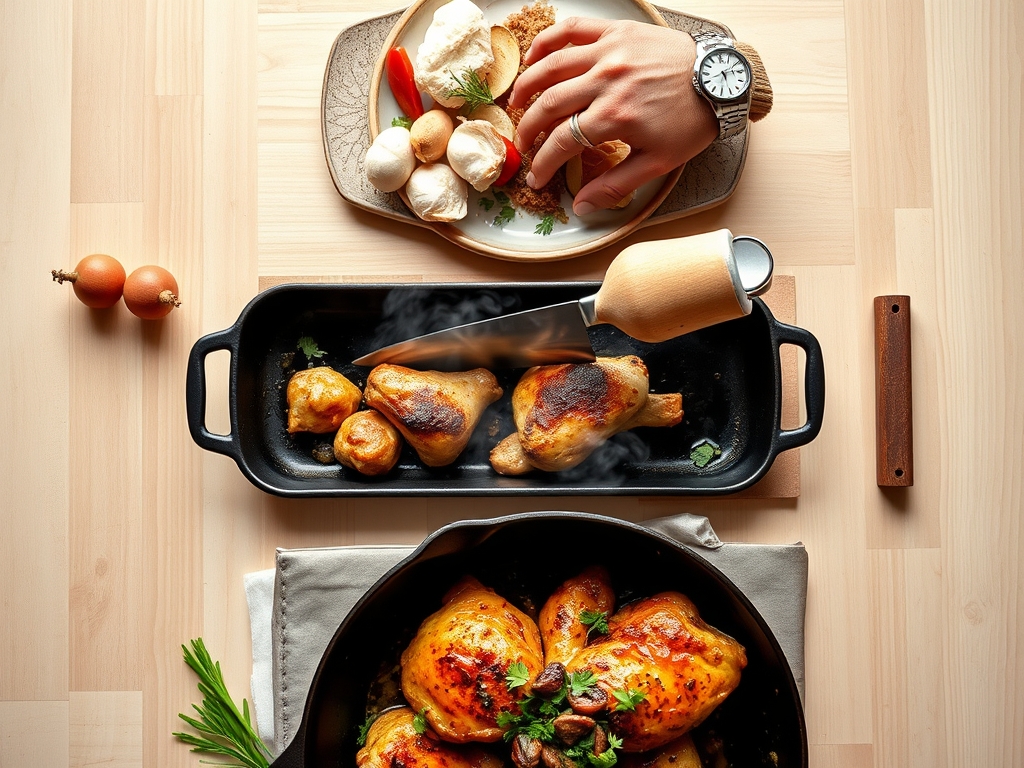
Place your chicken skin-side down in a preheated skillet with a high-smoke-point oil like avocado oil. Do not move it. Use tongs to check for release; if it sticks, the crust has not formed yet.
Pro Tip: This is the Maillard Reaction at work. This chemical reaction between amino acids and reducing sugars creates hundreds of different flavor compounds. Moving the meat too early prevents the crust from dehydrating and browning properly.
2. Deglazing the Fond
Once the chicken is removed, you will see brown bits stuck to the bottom of the pan. Pour in your liquid (broth, wine, or citrus juice) and scrape the bottom with a wooden spoon.
Pro Tip: Those brown bits are called fond. Deglazing incorporates these concentrated flavors back into your sauce through a process of solubility, turning a simple liquid into a complex, savory glaze.
3. Emulsifying the Sauce
Lower the heat and whisk in cold butter or a splash of cream. Move the whisk in a circular motion to incorporate the fat into the water-based liquid.
Pro Tip: You are creating a stable emulsion. The cold temperature of the butter prevents the fat from separating too quickly, resulting in a velvety, glossy finish that coats the back of a spoon.
4. The Rest and Carryover
Transfer your chicken to a warm plate and tent it loosely with foil for at least five minutes before slicing.
Pro Tip: This allows for thermal carryover. The internal temperature will rise by about 5 degrees while resting, and the muscle fibers will relax, allowing the juices to redistribute rather than spilling out onto your cutting board.
The Deep Dive:
Macro Nutrition: On average, a 6-ounce serving of these chicken dinners provides 45g of protein and roughly 12g of healthy fats, depending on your oil choice. To keep the glycemic index low, pair these with cruciferous vegetables like roasted broccoli or sautéed kale.
Dietary Swaps: For a Keto version, swap any honey or sugar in the glazes for allulose or omit entirely. For Vegan guests, the same sauce techniques work beautifully with "oyster" mushrooms or extra-firm tofu pressed to remove excess moisture. To make any of these recipes Gluten-Free, ensure your soy sauce is replaced with tamari or coconut aminos.
The Fix-It:
- Problem: The sauce is too thin. Fix: Whisk in a "beurre manie" (equal parts softened butter and flour) to thicken instantly.
- Problem: The chicken is dry. Fix: Shred the meat and toss it back into the pan sauce to rehydrate the fibers through capillary action.
- Problem: The garlic burned. Fix: There is no saving burnt garlic; wipe the pan and start over. Bitterness from burnt aromatics will ruin the entire profile.
Meal Prep Science: To reheat without that "leftover" taste, avoid the microwave. Reheat in a skillet with a tablespoon of water and a lid. This creates a steam chamber that prevents the proteins from tightening and becoming "rubbery."
The Wrap-Up:
Mastering good dinner chicken recipes is about understanding the physics of your kitchen as much as the flavors on your tongue. When you stop following recipes like a robot and start watching for the shimmer of the oil and the color of the fond, you become the master of your domain. These ten variations are your toolkit for a better, tastier, and more scientific approach to family dining. Now, grab your digital scale, prep your aromatics, and go make something incredible.
The Kitchen Table:
How do I stop chicken breast from being dry?
Use a meat thermometer to pull the chicken at 160 degrees Fahrenheit. The carryover heat will bring it to the safe 165 mark while it rests, ensuring the moisture remains trapped within the cellular structure of the meat.
What is the best pan for searing chicken?
A heavy-bottomed stainless steel or cast iron skillet is best. These materials have high thermal mass, meaning they hold heat consistently even when cold meat is added, which is essential for achieving a deep, golden-brown Maillard crust.
Can I cook chicken straight from the freezer?
It is not recommended for searing. Thawing ensures even heat distribution. Cooking from frozen often results in a tough, overcooked exterior and a raw, dangerous interior. Always thaw in the refrigerator or a cold water bath for safety.
Why does my pan sauce always separate?
Separation usually happens because the heat is too high when adding fat. Remove the pan from the burner before whisking in cold butter. The gradual temperature change allows the fat globules to suspend evenly in the liquid.