
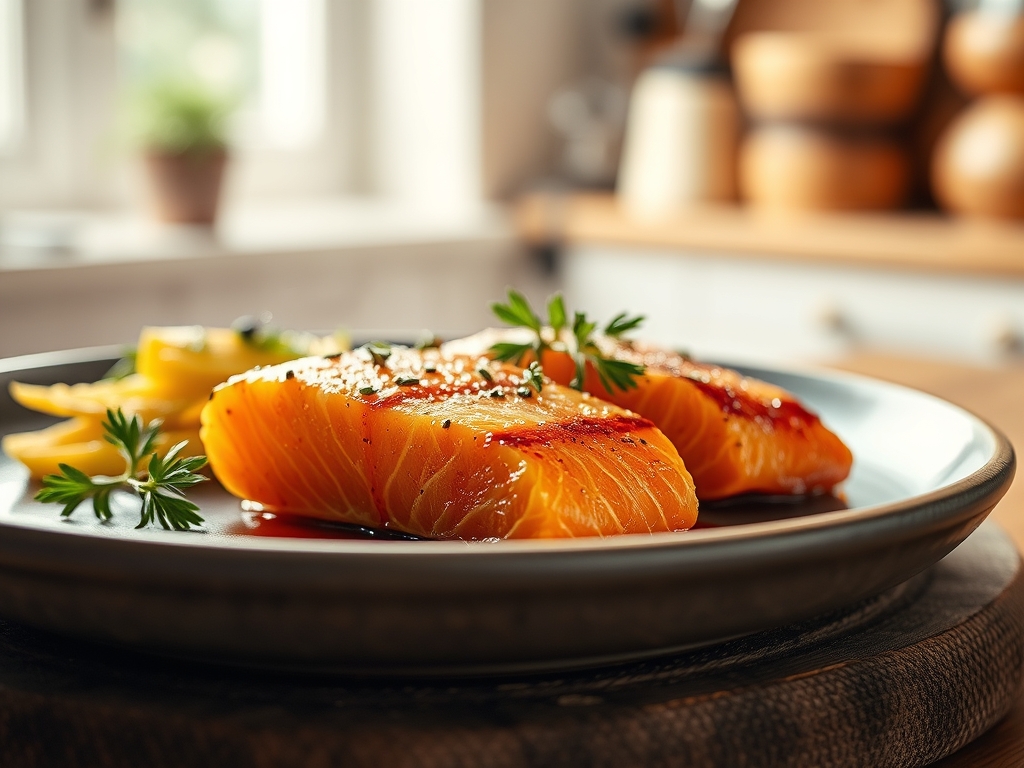
Close your eyes and imagine the scent of burning fruitwood mingling with the floral, viscous sweetness of wildflower nectar. It is a sensory collision that defines the best honey smoked salmon recipes; a delicate balance between the primal element of fire and the sophisticated elegance of a perfect glaze. We are not just cooking fish today; we are performing a molecular transformation that turns a humble fillet into a buttery, mahogany masterpiece.
Achieving that translucent, flaky interior while maintaining a tacky, lacquer-like exterior requires more than just a smoker. It requires an understanding of protein coagulation and the specific way sugars interact with heat. Most people settle for dry, over-salted fish that lacks depth. We are going to use science to ensure every bite is an explosion of umami and sweetness. Whether you are hosting a high-end brunch or looking for a centerpiece for a weekend dinner, mastering these techniques will elevate your kitchen status to professional levels. Grab your digital scale and your favorite apron. We are diving deep into the chemistry of smoke.
The Gathers:
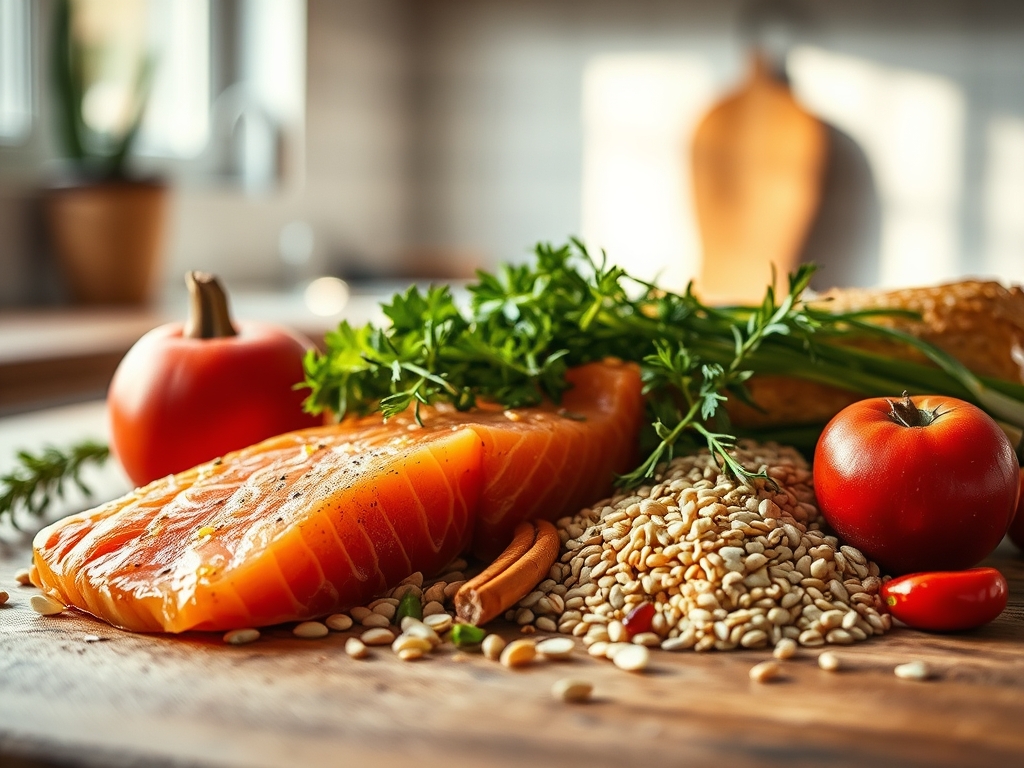
To begin, we must curate our mise-en-place with precision. You will need a side of Atlantic or King salmon, ideally skin-on to provide a thermal barrier during the smoking process. For the brine, gather high-quality kosher salt and dark brown sugar to initiate the osmotic exchange. The star of the show is the honey; look for a variety like Tupelo or Clover that offers a high glucose content for better caramelization. You will also need cracked black pepper, fresh dill, and a splash of bourbon to infuse the glaze with a piquant, oaky undertone.
Smart Substitutions: If you are avoiding refined sugar, maple syrup is a fantastic alternative that offers a similar viscosity. For those who want a kick, replace the black pepper with red pepper flakes or a dash of hot honey to aerate the flavor profile with heat. If you cannot find fresh salmon, high-quality frozen fillets work well, provided they are thawed slowly in the refrigerator to prevent cell wall rupture, which leads to mushy texture.
The Clock
Efficiency in the kitchen is about the Chef's Flow. This recipe requires patience because the best results come from a slow, steady application of heat. Total active prep time is approximately 30 minutes, but you must account for a 4 to 12-hour brining window. This is non-negotiable for texture.
The smoking process itself will take between 2 to 3 hours depending on the thickness of your fish and the stability of your heat source. Finally, factor in a 20-minute resting period. During this time, the internal juices redistribute, ensuring that the first cut does not result in a dry fillet. Plan to start your brine the night before so you can fire up the smoker by mid-morning for a perfect afternoon service.
The Masterclass
1. The Dry Brine Cure
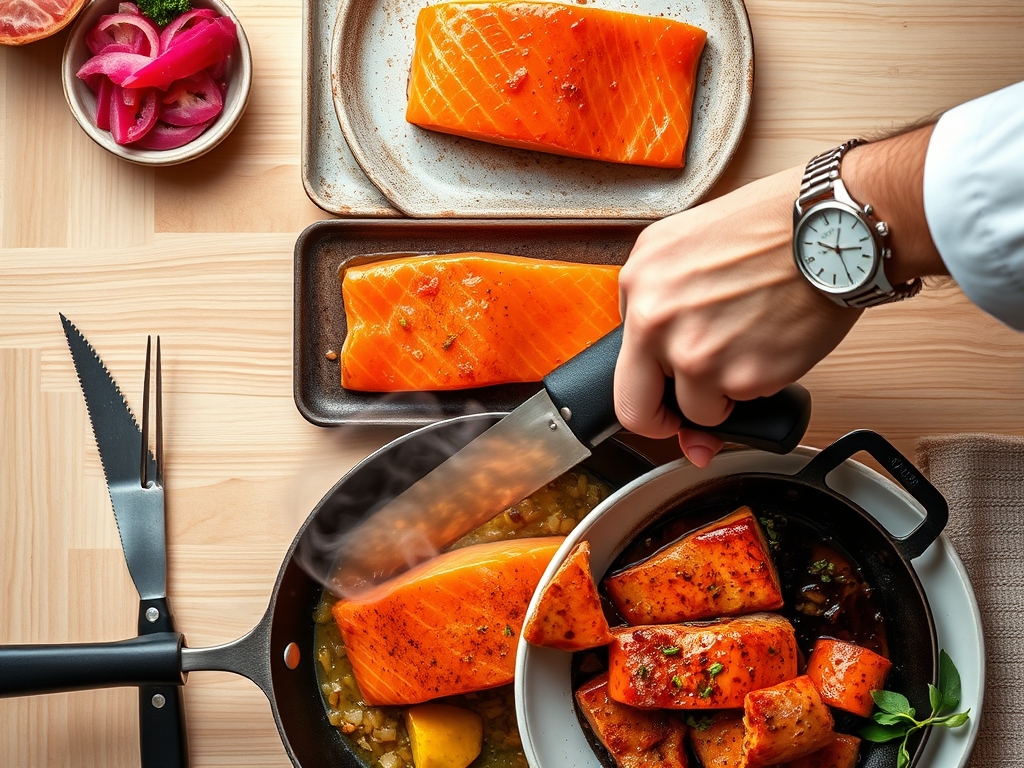
Begin by weighing your salt and sugar on a digital scale to ensure a perfect 1:2 ratio. Coat the salmon generously, ensuring the entire surface is covered. This process draws out excess moisture and seasons the flesh deeply. Place the fish on a wire rack over a sheet pan and refrigerate.
Pro Tip: This step creates a pellicle, a thin, tacky layer on the surface of the fish. The science here is simple; smoke particles adhere much more effectively to a tacky surface than a wet or bone-dry one, resulting in better flavor absorption.
2. The Rinse and Air Dry
After the curing time, rinse the salmon under cold water to remove excess salt. Use a paper towel to pat it dry, then let it sit on a counter under a fan for 30 minutes. You want that pellicle to feel like Scotch tape.
Pro Tip: Skipping the air-dry phase leads to albumin leaching, those unsightly white protein clumps that pop up on the surface. By forming a strong pellicle, you keep those proteins locked inside the muscle fibers.
3. Calibrating the Smoke
Fire up your smoker to a steady 225 degrees Fahrenheit. Use mild woods like alder or cherry. Avoid heavy woods like hickory or mesquite, which can overwhelm the delicate fats of the salmon. Use a probe thermometer to monitor the ambient temperature of the cooking chamber.
Pro Tip: Maintaining a low, consistent temperature prevents the fat from rendering too quickly. If the heat spikes, the oils will purge, leaving you with a chalky texture rather than a silky mouthfeel.
4. The First Glaze Application
Once the salmon hits an internal temperature of 110 degrees, it is time to apply the honey mixture. Use a silicone pastry brush to gently coat the top. Do not disturb the surface too much; you want to build layers.
Pro Tip: This is where the Maillard reaction begins to accelerate. The sugars in the honey react with the amino acids in the fish, creating hundreds of new flavor compounds that smell like toasted nuts and caramel.
5. Layering for Depth
Apply a second layer of glaze every 15 minutes until the salmon reaches an internal temperature of 140 degrees. This creates a thick, translucent coating that traps moisture inside.
Pro Tip: Layering the glaze creates a vapor barrier. As the honey dehydrates slightly, it forms a protective seal that prevents the smoke from drying out the delicate interior of the fillet.
6. The Thermal Finish
Remove the salmon from the heat when it hits 140 degrees. Place it on a wooden cutting board and tent it loosely with foil. Do not wrap it tightly, or you will steam the skin and lose the crispness.
Pro Tip: This accounts for thermal carryover. The internal temperature will continue to rise by about 5 degrees while resting, bringing you to the perfect, safe, and succulent 145-degree mark without overcooking.
The Deep Dive
From a nutritional standpoint, this dish is a powerhouse. It is loaded with Omega-3 fatty acids and high-quality protein. A 4-ounce serving typically contains about 250 calories, 15 grams of healthy fats, and 22 grams of protein. If you are following a Keto lifestyle, simply swap the honey for a monk-fruit based syrup. For a vegan alternative, this same smoking technique works beautifully on thick slabs of marinated watermelon or firm tofu.
The Fix-It: If your salmon looks "sweaty" or white goop is appearing, your heat is too high; drop the temp immediately. If the glaze is too runny, you likely didn't cook it down enough in your saucier before applying. If the skin is rubbery, try finishing it for 60 seconds in a heavy-bottomed skillet with a touch of oil over high heat before serving.
For meal prep, honey smoked salmon is the gift that keeps on giving. To reheat without losing quality, avoid the microwave at all costs. Instead, place the salmon in a shallow dish with a tablespoon of water, cover tightly with foil, and warm in a 275-degree oven for 10 minutes. This creates a mini-steam chamber that restores the viscous texture of the glaze.
The Wrap-Up
Mastering honey smoked salmon recipes is about more than just following steps; it is about respecting the ingredients and the physics of heat. When you pull that mahogany-colored fillet off the smoker, you are presenting a dish that is both rustic and incredibly refined. The combination of salty brine, sweet honey, and aromatic smoke creates a profile that is impossible to replicate with any other cooking method. Go forth, use your tools with confidence, and enjoy the most incredible salmon of your life!
The Kitchen Table
How do I prevent white spots on smoked salmon?
Dry the salmon until a tacky pellicle forms and keep your smoker temperature below 225 degrees. This prevents the protein, called albumin, from squeezing out of the muscle fibers too quickly and coagulating on the surface of the fish.
What is the best wood for honey smoked salmon?
Use mild fruitwoods like alder, apple, or cherry. These woods provide a subtle, sweet smoke profile that complements the honey glaze without overpowering the natural oils of the fish. Avoid heavy woods like mesquite or hickory for this delicate protein.
Can I smoke salmon without a smoker?
Yes, you can use a heavy-bottomed skillet or a Dutch oven with wood chips at the bottom. Place the fish on a raised rack, cover tightly, and use your stovetop to generate controlled smoke, though temperature management is much more difficult.
How long does honey smoked salmon last in the fridge?
Properly stored in an airtight container or vacuum-sealed bag, it will stay fresh for up to seven days. The salt in the cure and the honey glaze act as mild preservatives, keeping the texture firm and the flavor vibrant.