
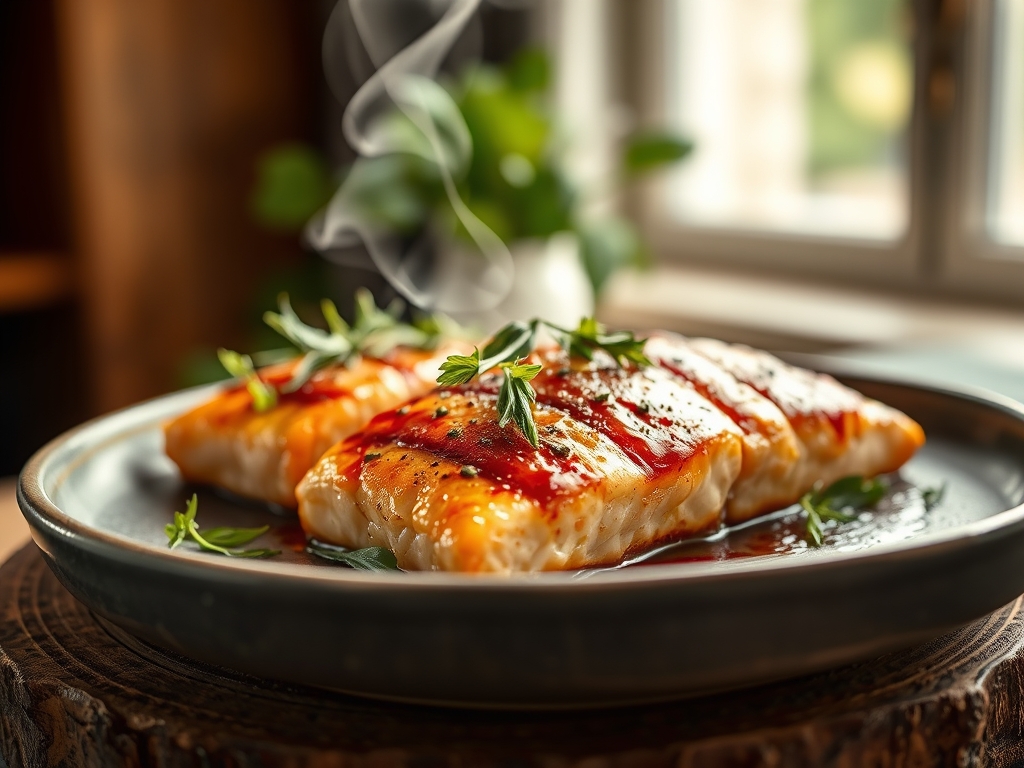
Imagine the sound of a heavy-bottomed skillet meeting a high-flame burner. There is a specific, rhythmic sizzle that occurs when cold protein hits hot fat; it is the sound of chemistry in motion. If you are navigating a diagnosis, finding vibrant salmon recipes for diabetics is not just about restriction. It is about reclaiming the plate with high-density nutrients and fats that actually love you back.
Salmon is the crown jewel of functional medicine in the kitchen. Its rich marbling of omega-3 fatty acids provides a viscous mouthfeel that mimics the indulgence of butter without the inflammatory baggage. When we cook salmon, we are not just making dinner; we are managing glucose through the strategic pairing of lean protein and fibrous aromatics. This guide is your blueprint for six distinct variations of the perfect fillet. We will explore how to achieve that glass-like skin crackle while keeping your blood sugar as steady as a professional chef's pulse. We are moving past the bland, steamed fillets of the past. Today, we embrace the sear, the infusion, and the bright, piquant acids that make healthy eating feel like a secret you are finally in on.
The Gathers:
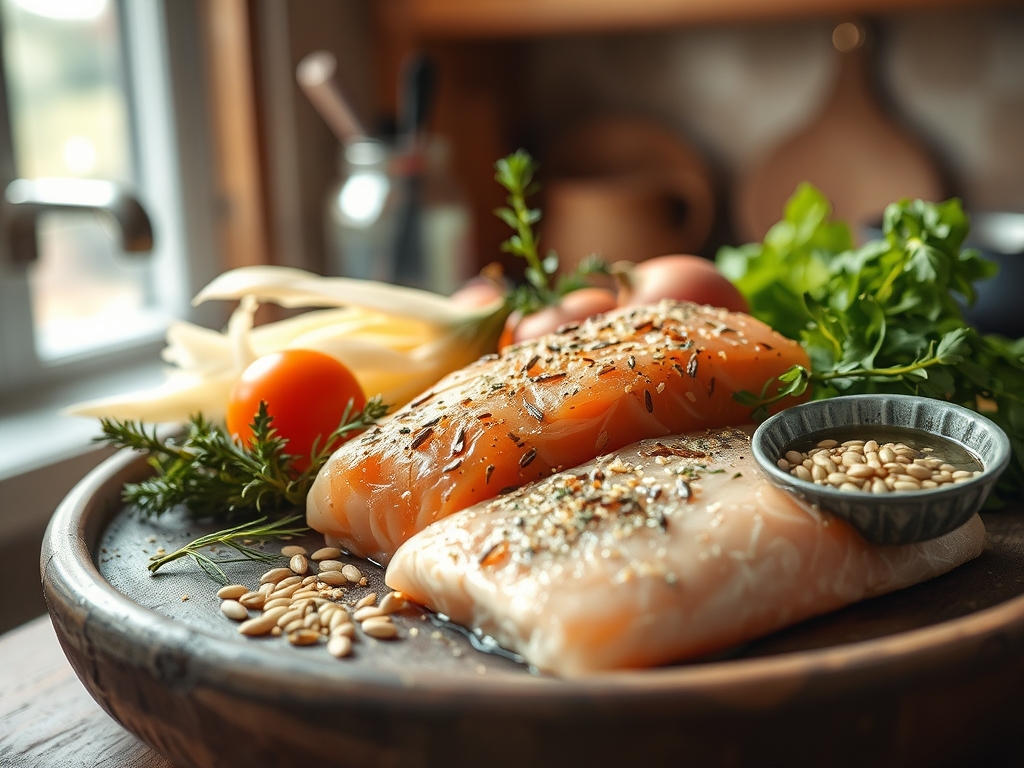
To execute these salmon recipes for diabetics with precision, your mise-en-place must be impeccable. Start with six-ounce center-cut fillets. This specific cut ensures even thermal distribution across the grain. You will need a high-quality extra virgin olive oil or avocado oil for its high smoke point. Gather your aromatics: fresh sprigs of rosemary, thyme, and plenty of garlic cloves still in their papery skins to prevent scorching.
Smart Substitutions are the key to metabolic health here. Instead of honey or brown sugar glazes, we utilize the natural sweetness of roasted bell peppers or a splash of aged balsamic vinegar. Replace heavy cream in your sauces with a blended silken tofu or a splash of full-fat coconut milk to maintain a luxurious texture without the glycemic load. You will also need a microplane for zesting citrus, which adds bright essential oils without adding volume or sugar. Ensure you have a digital scale to verify protein portions; consistency is the foundation of both professional cooking and blood sugar management.
The Clock
Efficiency in the kitchen is about understanding the "Chef's Flow." For these six preparations, your total active time will hover around 15 minutes, with a cook time of 10 to 12 minutes depending on the thickness of the fish.
The flow begins with the "Cold Start" prep. Spend 5 minutes patting the fish dry and seasoning. While the fish rests at room temperature to prevent muscle fibers from tightening, you will prep your vegetable pairings. The actual searing happens in a flash. By the time your tongs flip the last fillet, your side dishes should be in their final plating stage. This synchronization ensures that the fish never sits long enough to lose its internal moisture.
The Masterclass
1. The Moisture Barrier
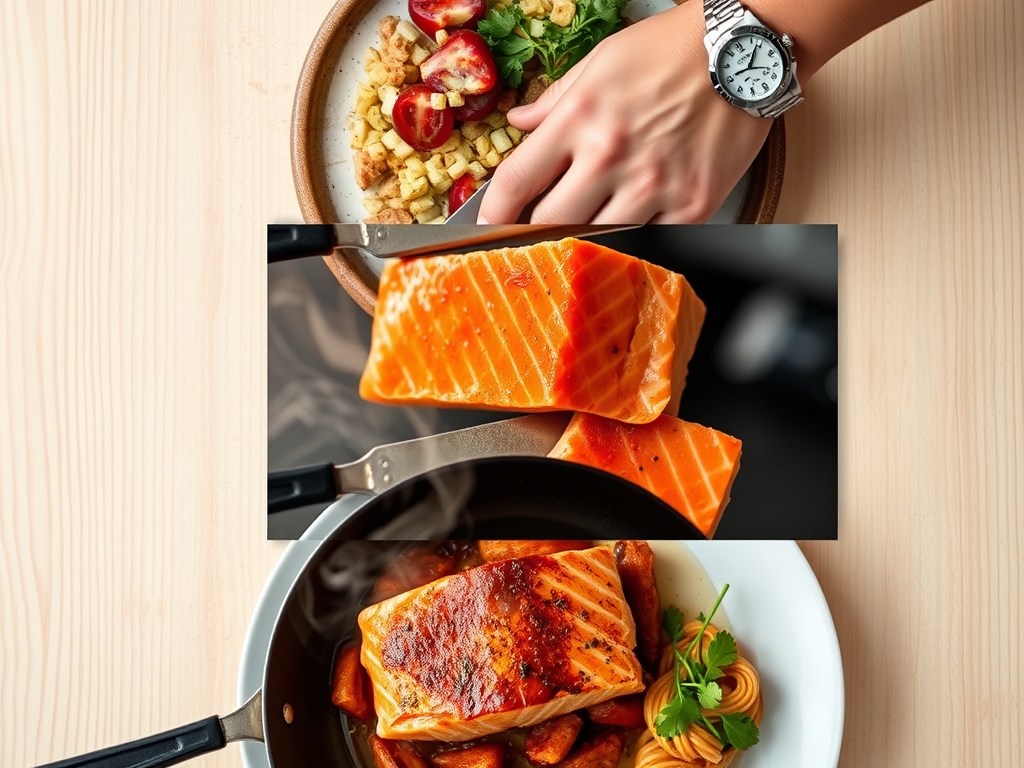
Before the fish touches the pan, use a paper towel to remove every molecule of surface moisture. This is the most critical step for any salmon recipes for diabetics. Moisture is the enemy of the Maillard reaction. If the skin is damp, it will steam rather than sear, resulting in a rubbery texture.
Pro Tip: This is the science of evaporative cooling. If water is present, the surface temperature cannot rise above 212 degrees Fahrenheit. You need it to hit 300 degrees to trigger the browning that creates deep flavor profiles.
2. The Cold Pan Technique
Place your salmon skin-side down in a cold, heavy-bottomed skillet, then turn the heat to medium-high. Use a bench scraper to gently press the fillets down for the first 30 seconds. This prevents the skin from curling as the collagen proteins begin to contract.
Pro Tip: This allows the fat to render slowly. By starting cold, you liquefy the subcutaneous fat layer, which then fries the skin in its own oil for a potato-chip crunch.
3. The Gentle Infusion
As the salmon cooks, add your aromatics and a tablespoon of grass-fed butter or olive oil to the side of the pan. Use a large spoon to baste the hot, flavored fat over the top of the fish. This indirect heat cooks the top gently while the skin side finishes.
Pro Tip: This is thermal conduction. The hot fat carries the fat-soluble compounds from the herbs directly into the flesh, creating a complex flavor without needing sugary marinades.
4. The Flip and Kiss
Once the opaque color has moved three-quarters of the way up the side of the fillet, use a fish spatula to flip it. The flesh side only needs about 60 seconds of contact with the pan. This "kiss" of heat finishes the internal proteins without drying them out.
Pro Tip: We are aiming for albumen management. If you see white bubbles popping out of the fish, it is overcooked. That white substance is protein being squeezed out of the muscle fibers like a sponge.
5. The Rest and Carryover
Move the salmon to a warm plate and let it rest for 3 to 5 minutes. Do not tent it with foil, as the trapped steam will soften that beautiful skin you just perfected.
Pro Tip: This utilizes thermal carryover. The internal temperature will continue to rise by about 5 degrees after it leaves the pan. Resting allows the juices to redistribute so they stay in the fish rather than spilling onto the plate.
6. The Acid Finish
Just before serving, use your microplane to shower the fillets with lemon zest and a squeeze of fresh juice. This cuts through the richness of the omega-3s and brightens the entire dish.
Pro Tip: Acid acts as a flavor enhancer by stimulating salivary glands. It provides the "pop" that most people associate with salt or sugar, making it a vital tool for diabetic-friendly seasoning.
The Deep Dive
When we look at the macro nutrition of these salmon recipes for diabetics, we see a near-perfect profile. A standard serving provides roughly 35 grams of protein, 12 grams of healthy fats, and zero net carbs. This ratio is designed to stimulate glucagon, the hormone that tells your body to burn stored energy rather than storing more.
For those with dietary restrictions, these recipes are naturally Gluten-Free. To make them Keto, simply pair with asparagus or broccolini sautéed in garlic. For a Vegan swap, use the same searing techniques on thick slabs of "Lion's Mane" mushrooms or extra-firm tofu pressed to remove moisture.
The Fix-It: Common Pitfalls
- The Fish Sticks: Your pan wasn't hot enough or you tried to flip it too early. Protein will naturally release from the pan once the sear is complete. If it resists, wait thirty seconds.
- The Skin is Soggy: You likely crowded the pan. Use a large saucier or cook in batches. Overcrowding drops the pan temperature and creates steam.
- The Center is Raw: The fillet was too cold when it hit the pan. Ensure the fish sits at room temperature for 15 minutes before cooking to ensure even heat penetration.
Meal Prep Science: To reheat salmon without the "fishy" aroma, avoid the microwave. The high frequency vibrates water molecules too violently, breaking down the delicate fats. Instead, place the fillet in a 275-degree oven with a splash of water and cover tightly with parchment paper for 8 minutes. This creates a gentle steam chamber that restores moisture.
The Wrap-Up
Mastering salmon recipes for diabetics is a superpower. You are now equipped with the technical knowledge to turn a simple piece of protein into a restaurant-quality experience that stabilizes your health. Remember that cooking is a series of chemical reactions; when you control the moisture and the heat, you control the outcome. Get into your kitchen, grab those tongs, and let the sizzle begin. You have the tools, the science, and the flavor on your side.
The Kitchen Table
Can I use frozen salmon for these recipes?
Yes, but you must thaw it completely in the refrigerator. Pat it extremely dry with paper towels to remove excess ice crystals. This ensures the Maillard reaction can still occur for a proper sear.
What is the best oil for searing salmon?
Avocado oil is ideal because it has a high smoke point of 520 degrees. This prevents the oil from breaking down into bitter compounds or carcinogens during the high-heat searing process required for crispy skin.
How do I know when the salmon is done?
The most reliable method is using a digital thermometer. Aim for an internal temperature of 125 degrees Fahrenheit for medium-rare or 135 degrees for medium. The fish should flake easily with a fork when gently pressed.
Is salmon skin healthy to eat?
Absolutely. The skin contains the highest concentration of omega-3 fatty acids and collagen. When seared properly, it provides a satisfying crunch that replaces the need for breading or starchy sides, making it perfect for diabetic diets.