
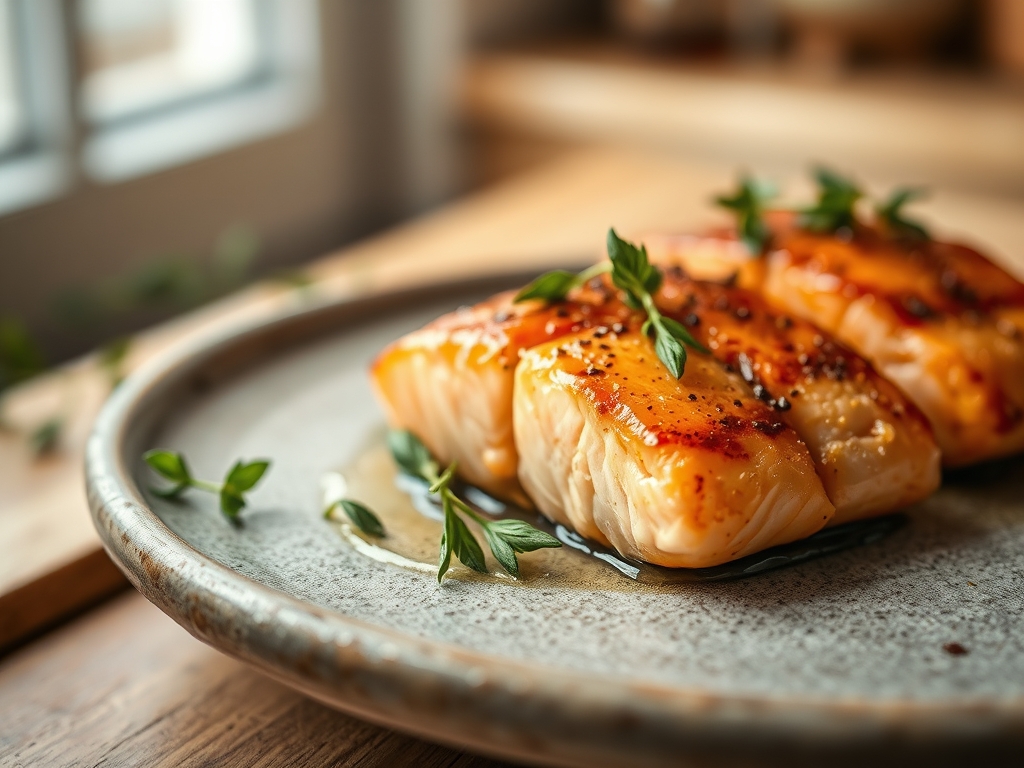
Picture the scene: a Tuesday evening where the air is thick with the scent of searing butter and fresh herbs. You want a meal that feels like a five-star retreat but requires the effort of a simple sandwich. Finding delicious easy salmon recipes is the ultimate culinary cheat code for busy families because this fish is a biological marvel. It is packed with omega-3 fatty acids that melt like velvet when handled with just a touch of scientific precision. We are moving past the days of dry, chalky fillets. Instead, we are embracing the chemistry of heat and moisture to create a centerpiece that is flaky, succulent, and ready in under twenty minutes. This is about reclaiming your kitchen time without sacrificing the sophisticated palate your family deserves.
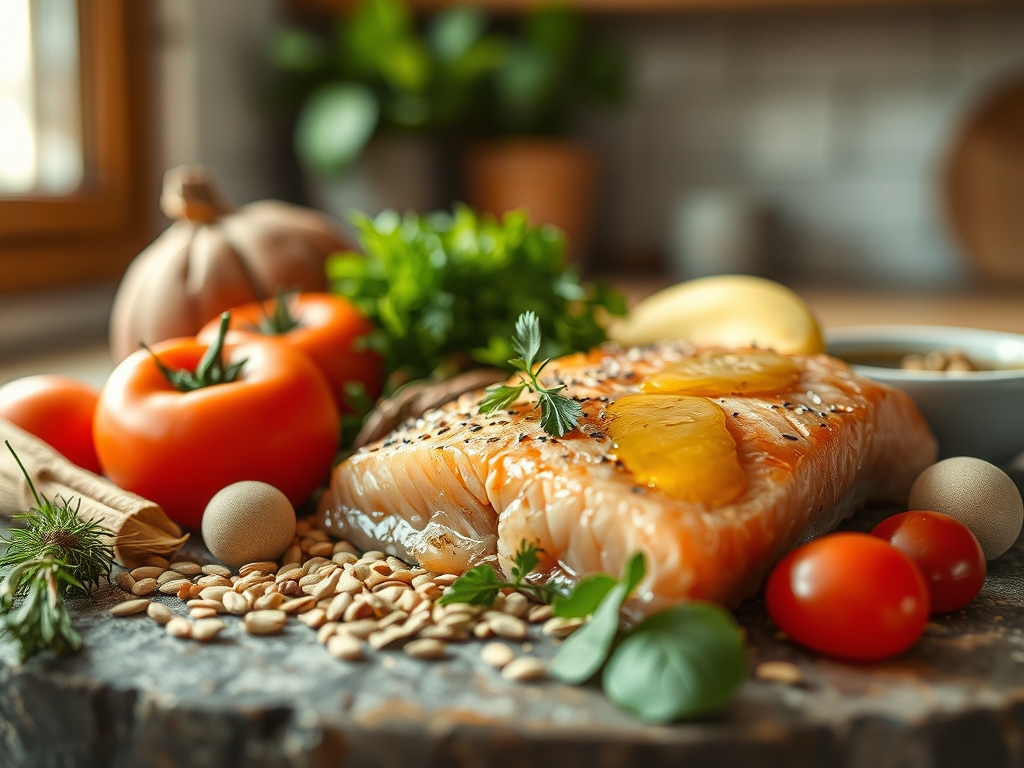
The Gathers:
To execute these hacks, your mise-en-place must be intentional. Start with high-quality fillets; look for deep pigmentation which indicates a high astaxanthin content. You will need a heavy-bottomed skillet to ensure even thermal distribution and a microplane for zesting aromatics into a fine, viscous slurry.
The Essentials:
- The Protein: 1.5 lbs of center-cut salmon (skin-on for structural integrity).
- The Fats: High-smoke point avocado oil and unsalted European-style butter for the milk solids.
- The Aromatics: Fresh garlic, ginger, and shallots to infuse the cooking medium.
- The Acid: Meyer lemons or rice vinegar to provide a piquant counterpoint to the rich lipids.
- The Herbs: Dill, parsley, or chives for a chlorophyll-rich finish.
Smart Substitutions:
If you are out of fresh citrus, a splash of dry white wine works wonders to deglaze the pan. No butter? Use ghee or a high-quality tahini to maintain that creamy mouthfeel. If the kids find salmon too "fishy," a quick soak in milk for ten minutes will neutralize the trimethylamine oxide (TMAO) responsible for that scent.
The Clock:
Efficiency in the kitchen is all about the "Chef's Flow." This refers to the synchronization of tasks so that no heat is wasted. Prep time for these hacks is a tight 10 minutes. The actual cook time ranges from 6 to 12 minutes depending on the thickness of the fillet.
The secret to the flow is preheating your vessel. While you are using a bench scraper to clear your cutting board, your skillet should be gaining latent heat. By the time your seasoning is applied, the pan is ready to render the fat immediately. This prevents the fish from sticking and ensures you are not hovering over the stove for an hour.
The Masterclass:
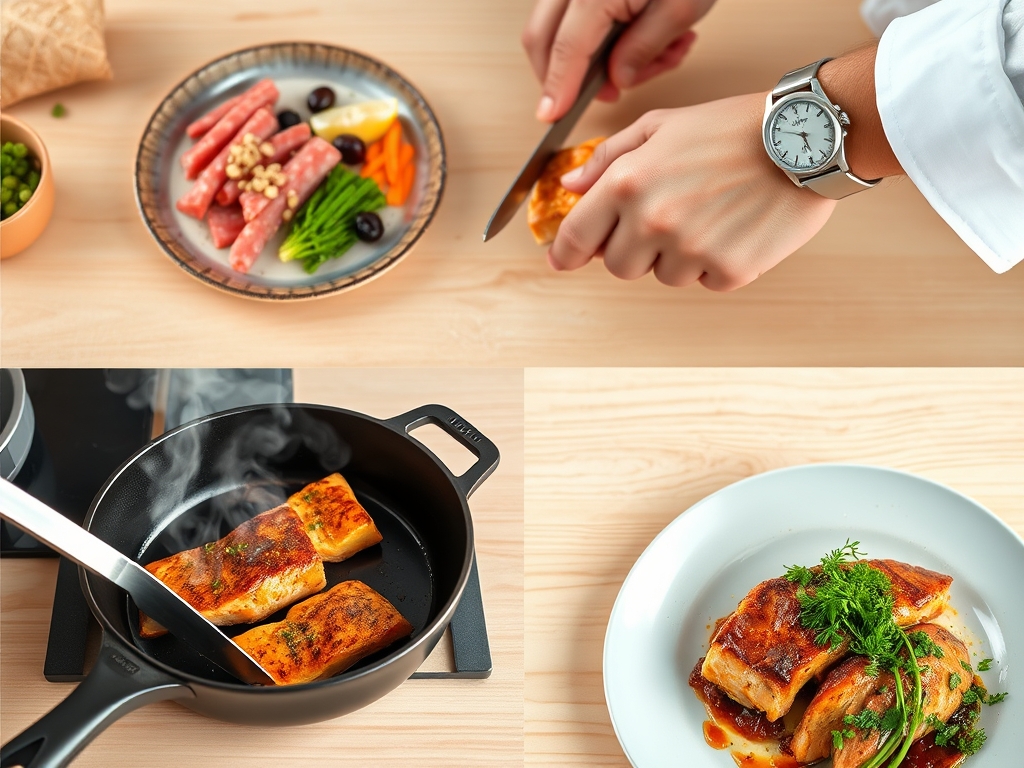
1. The Dry-Brine Technique
Sprinkle your fillets with kosher salt 15 minutes before cooking. This process uses osmosis to draw moisture out, then reabsorbs the seasoned liquid to season the protein deeply.
Pro Tip: This denatures the surface proteins, allowing for a more efficient Maillard reaction, which is the chemical bridge between amino acids and reducing sugars that creates a savory crust.
2. The Cold-Pan Start
Place the salmon skin-side down in a cold heavy-bottomed skillet before turning on the heat. This allows the fat under the skin to render slowly and evenly.
Pro Tip: Gradual heating prevents the muscle fibers from contracting too violently, which stops the white albumin protein from leaking out and looking unappealing.
3. The Butter-Basting Finish
Once flipped, add butter and herbs to the pan. Use a large spoon to continuously bathe the fish in the bubbling fat.
Pro Tip: This is called "arroser." The hot fat acts as a convection medium, finishing the internal cook while the milk solids in the butter undergo enzymatic browning for a nutty aroma.
4. The Parchment Steam (En Papillote)
Fold the fish into a parchment paper pouch with citrus slices and a splash of liquid. Bake at 400 degrees Fahrenheit.
Pro Tip: This creates a pressurized steam environment. The trapped moisture prevents the delicate fats from oxidizing, keeping the texture incredibly soft and "poached" in its own juices.
5. The Honey-Glaze Seal
Brush a mixture of honey and soy sauce over the fish during the last three minutes of broiling.
Pro Tip: The high sugar content creates a rapid caramelization. The viscosity of the honey acts as a thermal insulator, protecting the interior of the fish from the intense overhead heat of the broiler.
6. The Ice-Cube Reheat
When reheating leftovers, place a single ice cube on top of the salmon and cover it with a damp paper towel before microwaving.
Pro Tip: The ice cube does not melt fully; instead, it creates a localized steam zone that rehydrates the protein fibers without overcooking the center.
7. The Skin-Crisping Press
Use a flexible fish spatula to press the fillet firmly against the pan for the first 60 seconds of searing.
Pro Tip: This prevents the skin from curling as the collagen fibers contract, ensuring 100 percent surface contact for a glass-like, crispy texture.
8. The Acid-Flash Deglaze
After removing the fish, toss a splash of lemon juice or vinegar into the hot pan and whisk.
Pro Tip: This picks up the "fond" (the browned bits). The acid breaks down the complex flavor compounds, creating an instant pan sauce that is chemically balanced.
9. The Carryover Rest
Always remove the salmon from the heat when it hits 130 degrees Fahrenheit, rather than the target 145 degrees.
Pro Tip: Thermal carryover means the internal temperature will continue to rise by 5 to 10 degrees while resting. Pulling it early ensures you never hit the "dry zone."
The Deep Dive:
Salmon is a nutritional powerhouse, offering high-density lipoproteins and Vitamin D. For a family of four, a 1.5 lb side of salmon provides roughly 140 grams of high-quality protein.
Dietary Swaps:
- Vegan: Use a thick slice of "King Oyster Mushroom" or "Watermelon Steak" treated with seaweed salt to mimic the oceanic salinity.
- Keto: Focus on the butter-basting method and serve with a heavy cream and spinach reduction.
- Gluten-Free: Ensure your soy sauce is replaced with Tamari or coconut aminos to avoid hidden wheat.
The Fix-It:
- The Problem: The fish is sticking to the pan. The Fix: You moved it too soon. Wait for the protein to naturally release once the crust has formed.
- The Problem: The white "gunk" (albumin) is everywhere. The Fix: Lower your heat. Albumin is pushed out when the muscle fibers contract too fast from high heat.
- The Problem: The skin is soggy. The Fix: Use a paper towel to pat the skin bone-dry before it touches the oil. Moisture is the enemy of the crunch.
Meal Prep Science:
To maintain "day-one" quality, store your salmon in an airtight glass container. Avoid plastic, which can trap "off-aromas." When reheating, use the "low and slow" method in a toaster oven at 275 degrees to avoid shattering the delicate fat emulsions.
The Wrap-Up:
Mastering these hacks transforms a standard weeknight dinner into a culinary event. By understanding the interplay of heat, acid, and fat, you are no longer just following a recipe; you are conducting a delicious easy salmon recipes symphony. Grab your tongs, fire up that skillet, and watch your family marvel at the flaky, flavorful results. You have the tools, the science, and the wit to make every bite count.
The Kitchen Table:
How do I tell if salmon is cooked without a thermometer?
Gently press the top of the fillet with a fork or your finger. If the flakes begin to separate easily along the white fat lines, it is medium-rare and ready to rest.
Why does my salmon smell so fishy?
Odors are caused by the breakdown of TMAO into TMA. To fix this, rinse the fish in cold water and pat it dry, or briefly soak it in milk to bind the odorous molecules.
Can I cook salmon directly from the freezer?
Yes, but use the "En Papillote" (parchment) method. The steam will thaw and cook the fish simultaneously, ensuring the outside does not toughen before the center reaches a safe temperature.
Should I leave the skin on during cooking?
Always leave the skin on. It acts as a safety barrier between the flesh and the heat, preventing overcooking. You can easily slide it off after cooking if you prefer not to eat it.