
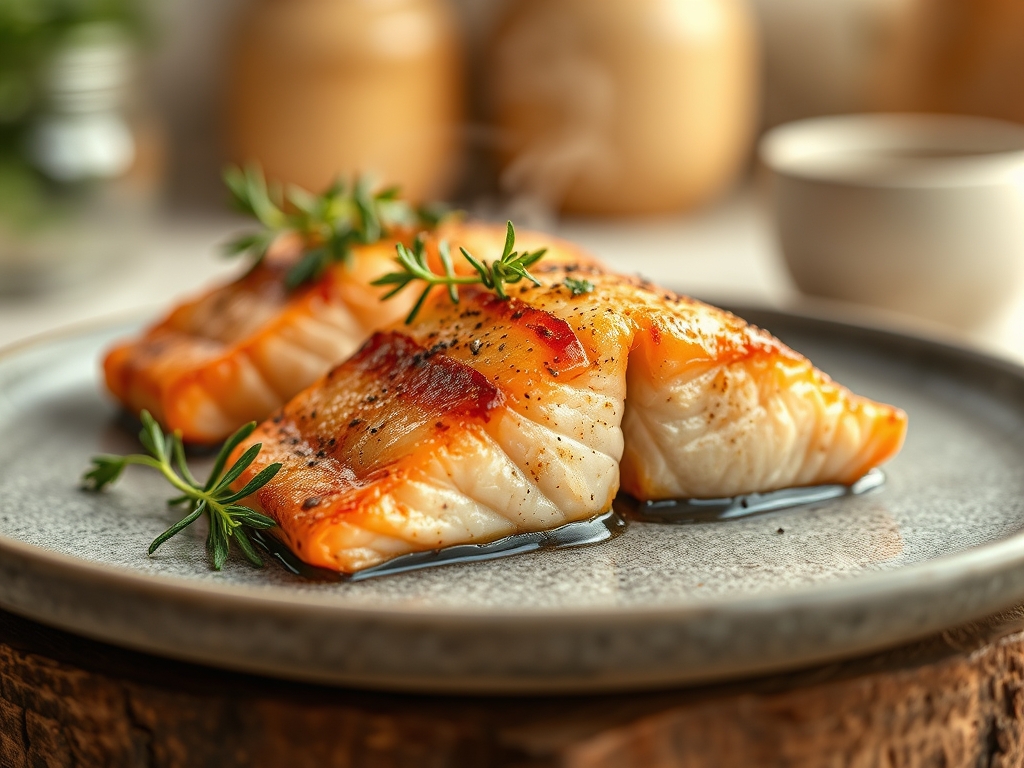
The sound of a cold fillet hitting a ripping hot pan is the ultimate kitchen siren song. When you master stovetop salmon recipes, you are not just cooking; you are orchestrating a high speed collision between cold protein and intense thermal energy. In under fifteen minutes, you can transform a raw slab of pink muscle into a masterpiece of shattered glass skin and translucent, buttery flakes.
The secret to a weeknight victory is not just the heat; it is the preparation. You want that specific, golden crust that shatters under a fork while the interior remains lush and fatty. Most home cooks fear the sear because they treat fish like meat. However, salmon is a delicate lattice of connective tissue and healthy fats that requires a surgical approach to temperature. By the time we are done, you will be treating your heavy bottomed skillet like a precision instrument. We are chasing the Maillard reaction without sacrificing the structural integrity of the fish. Forget the oven and the long wait times; the stovetop is where the magic happens for the modern, busy epicurean who refuses to settle for a mediocre dinner.
The Gathers:
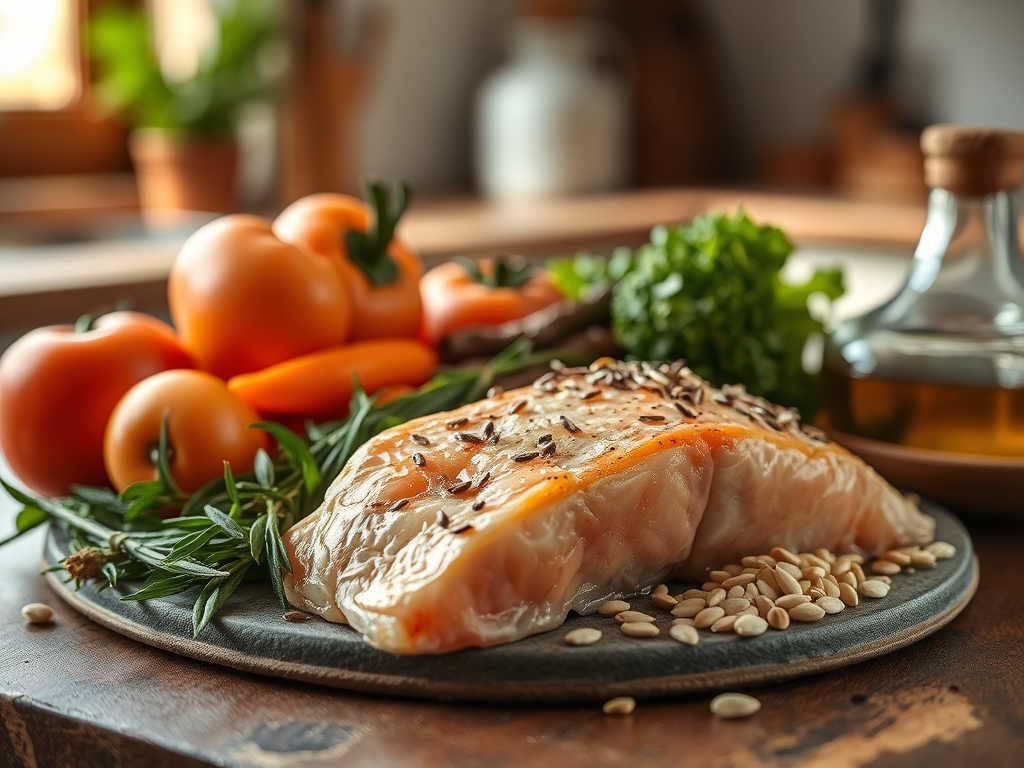
To execute these stovetop salmon recipes with precision, your mise en place must be flawless. Start with six ounce center cut fillets; these provide the most uniform thickness for even heat distribution. You will need a high smoke point fat like avocado oil or clarified butter. Avoid extra virgin olive oil for the initial sear, as its low smoke point will acridly oxidize before the fish is done. Use a microplane to zest fresh lemon and grate garlic into a fine paste, ensuring these aromatics infuse the oil without burning.
Smart Substitutions:
If you are out of fresh citrus, a splash of verjus or a high quality white wine vinegar provides that essential piquant acidity. For those avoiding dairy, replace the finishing butter with a dollop of viscous coconut cream or a drizzle of toasted sesame oil to maintain that luxurious mouthfeel. Always have a bench scraper handy to keep your workspace pristine as you prep your aromatics.
The Clock
Efficiency in the kitchen is about "Chef's Flow." This is the psychological state where your movements are economical and your timing is instinctive. For these 15 minute stovetop salmon recipes, the breakdown is clinical: 4 minutes of prep, 8 minutes of active cooking, and 3 minutes of resting.
The "Flow" dictates that you season your fish at least five minutes before it hits the pan to allow the salt to penetrate the protein structure via osmosis. While the pan preheats, you utilize those three minutes to whisk your sauce or prep a quick slaw. Never stand idle. If the fish is searing, you are cleaning your microplane. If the fish is resting, you are plating. This overlap ensures that the meal is served at the peak of its thermal potential.
The Masterclass
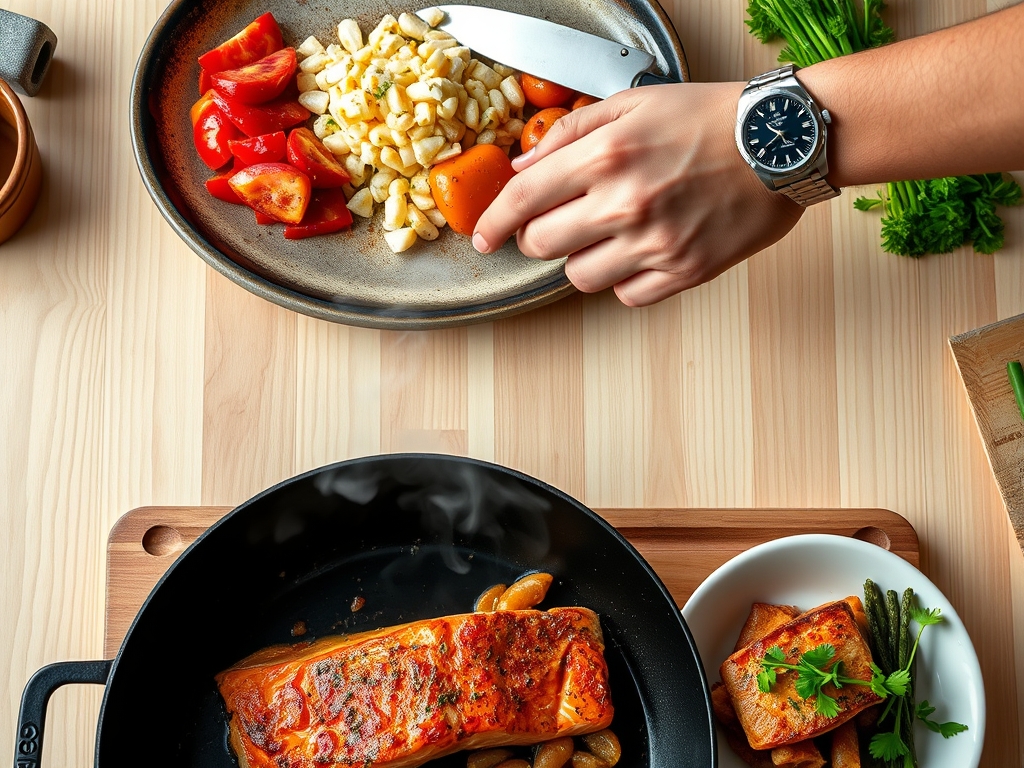
1. The Desiccation Ritual
Use a paper towel to press every molecule of moisture off the skin. Moisture is the enemy of the sear; if the skin is damp, it will steam rather than fry.
Pro Tip: This process prevents the formation of a steam barrier. By removing surface water, you allow the heat to immediately begin the Maillard reaction, which is the chemical dance between amino acids and reducing sugars that creates flavor.
2. The Cold Start Myth
Always preheat your heavy bottomed skillet until the oil shimmers and barely begins to wisp. A cold pan leads to protein bonding with the metal, which results in the dreaded "stuck fish."
Pro Tip: High initial heat causes the proteins on the surface to denature and contract instantly. This creates a nonstick "crust" through a process called the Leidenfrost effect, where a layer of vapor momentarily protects the fish from sticking.
3. The Weight of Pressure
Once the fish is skin side down, use a flexible metal spatula or tongs to press firmly on the flesh for 30 seconds. Salmon skin tends to curl when it hits heat, which prevents even browning.
Pro Tip: Manual pressure ensures 100 percent contact with the cooking surface. This leads to even heat transfer and prevents the "grey band" of overcooked fish that occurs when heat has to travel through air gaps.
4. The Patience Phase
Do not touch the fish for at least four minutes. You want the skin to render its subcutaneous fat, essentially frying itself in its own healthy oils.
Pro Tip: This is "thermal conduction" at work. If you move the fish too early, you tear the delicate skin before the proteins have fully set. Patience results in a "shatter" texture.
5. The Flip and Kiss
Flip the fish gently. The flesh side only needs about 90 seconds to 2 minutes of contact. We are looking for a medium rare center that is translucent and flakey.
Pro Tip: Use a digital scale or meat thermometer to pull the fish at 125 degrees Fahrenheit. Thermal carryover will continue to raise the internal temperature by 5 degrees while it rests.
6. The Butter Baste
In the final minute, toss a knob of butter and crushed garlic into the pan. Use a large spoon to aerate and shower the hot fat over the skin.
Pro Tip: Basting creates a "convection" effect within the pan. The hot fat reaches into the crevices of the fish, adding deep nutty notes and ensuring the top stays crisp while the middle stays moist.
7. The Deglaze
Remove the fish and immediately hit the pan with a splash of white wine or stock. Use your spatula to scrape up the "fond," or the brown bits stuck to the bottom.
Pro Tip: This is a chemical extraction of flavor. The liquid dissolves the concentrated proteins and sugars, creating a pan sauce that is a biological mirror of the fish's own flavor profile.
8. The Rest
Transfer the salmon to a warm plate, skin side up. Never tent it with foil, as the trapped steam will soften that hard earned crust.
Pro Tip: Resting allows the muscle fibers to relax and reabsorb the internal juices. If you cut into it immediately, the moisture will leak out, leaving the salmon dry and stringy.
The Deep Dive
From a macro perspective, salmon is a nutritional powerhouse. A single six ounce portion provides roughly 34 grams of high quality protein and is rich in Omega 3 fatty acids, which are essential for brain health and reducing inflammation.
For dietary swaps, Keto followers can double down on the butter baste for healthy fats. If you are Vegan, you can apply these exact searing techniques to thick "steaks" of cauliflower or extra firm tofu, using miso paste to replicate the savory depth of the fish. Gluten free cooks should ensure their "fond" is thickened with a reduction rather than a flour based roux.
The Fix-It:
- White Gunk (Albumin): If you see white clouds leaking out, your heat is too high. This is internal protein squeezing out like a sponge. Fix: Lower the heat and pull the fish sooner.
- Soggy Skin: You likely crowded the pan. Fix: Cook in batches to prevent the temperature from dropping and creating steam.
- Sticking: You tried to flip too early. Fix: If the fish resists, it is not ready. Give it another 30 seconds to "self-release."
Meal Prep: To reheat salmon without it smelling "fishy" or turning into rubber, use the "Low and Slow" method. Place it in a 275 degree oven with a teaspoon of water for 5 minutes. This gently rehydrates the proteins without further denaturing them.
The Wrap-Up
Mastering stovetop salmon recipes is the ultimate "flex" for any home cook. It proves that you understand the relationship between heat, fat, and timing. By focusing on the science of the sear and the importance of the rest, you turn a simple ingredient into a restaurant quality experience. Now, grab your saucier, heat that skillet, and go make something incredible. Dinner is served in fifteen minutes; no excuses.
The Kitchen Table
How do I prevent my salmon from smelling fishy?
Buy high quality, fresh fish and pat it dry immediately. The "fishy" smell comes from Trimethylamine Oxide breaking down into Trimethylamine. Freshness and acidity, like lemon juice, chemically neutralize these odors instantly.
Can I cook salmon straight from the freezer?
It is not recommended for stovetop searing. The exterior will burn before the interior thaws. For the best texture, thaw it in the fridge overnight to maintain the structural integrity of the delicate fat cells.
What is the best pan for stovetop salmon?
A stainless steel or cast iron skillet is best. These materials have high "thermal mass," meaning they hold heat better when the cold fish is added, ensuring a consistent and rapid sear.
Should I leave the skin on?
Absolutely. The skin acts as a protective thermal barrier that prevents the flesh from overcooking. Even if you do not plan to eat it, the skin keeps the juices locked inside the fillet during the sear.