
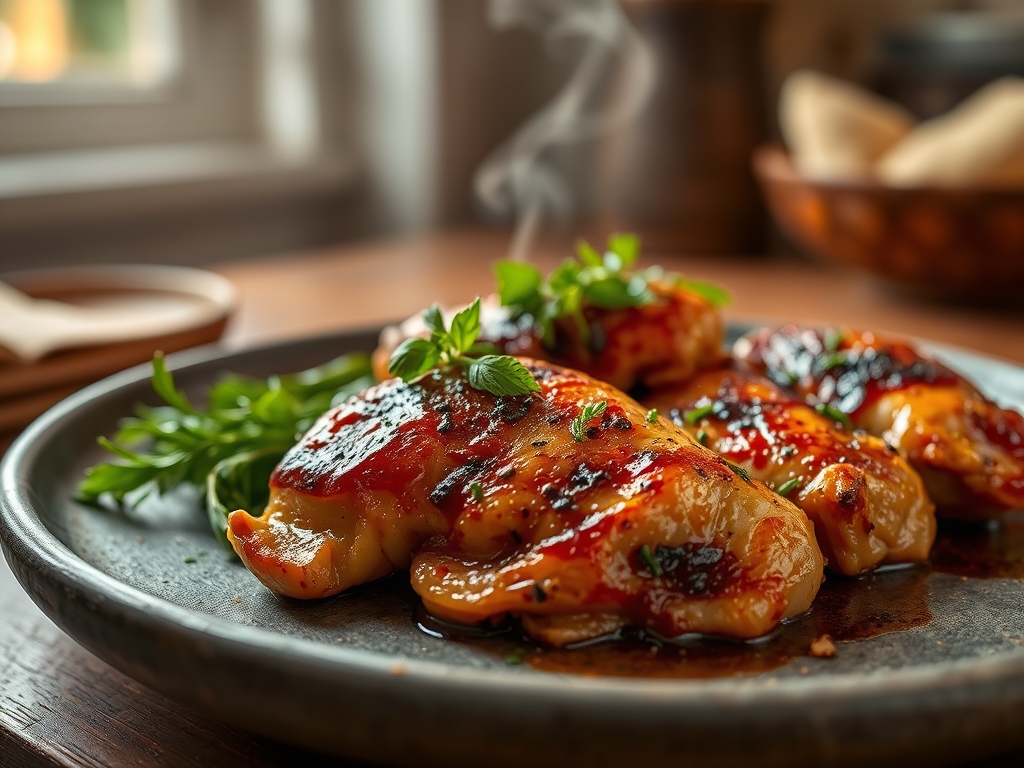
Picture the hiss of a heavy-bottomed skillet meeting cold-pressed oil; that sharp, aromatic crackle is the sound of muscle-building potential. We are moving past the era of rubbery, uninspired poultry. These high protein chicken recipes prioritize both your aesthetic goals and your palate by utilizing molecular techniques that lock in moisture while maximizing amino acid density.
Whether you are chasing a new personal record in the gym or simply trying to stay satiated during a hectic work week, the humble chicken breast is your most versatile canvas. It is lean, efficient, and incredibly responsive to the right thermal application. We are not just cooking; we are engineering meals that satisfy the soul and the cellular demand for repair. Get ready to transform your meal prep into a high-performance ritual that tastes like a five-star indulgence.
The Gathers:
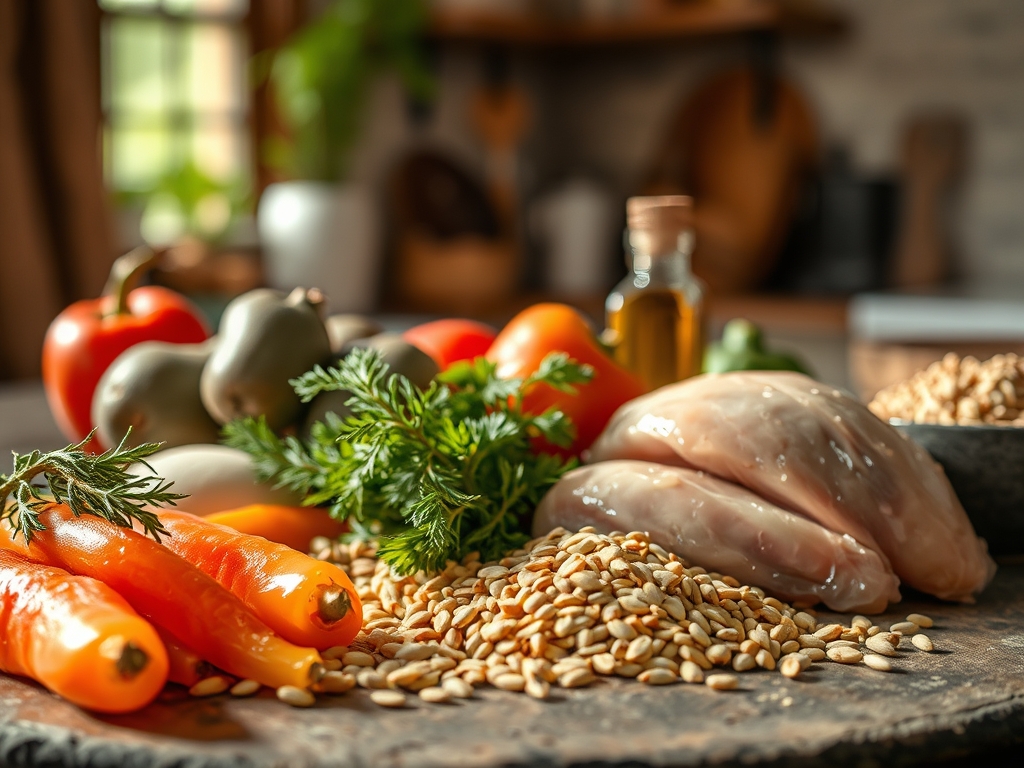
To execute these high protein chicken recipes with precision, your mise-en-place must be immaculate. Start with high-quality poultry; look for air-chilled breasts to avoid excess water weight. You will need a digital scale to ensure macro accuracy. Our flavor profiles rely on viscous marinades and piquant aromatics that penetrate the protein fibers.
Essential ingredients include Greek yogurt for enzymatic tenderization, liquid aminos for a hit of umami, and an array of dry spices like smoked paprika and garlic powder. For Smart Substitutions, swap heavy cream for blended silken tofu to maintain a creamy texture with a massive protein boost. Use nutritional yeast instead of parmesan for a nutty, B-vitamin rich profile that keeps the fats low. Ensure your microplane is ready for zesting citrus; those volatile oils provide a sensory lift without adding a single calorie.
The Clock
Efficiency is the secret ingredient in any fitness-focused kitchen. The "Chef's Flow" is about overlapping tasks so you are never standing idle. Expect a total prep time of 25 minutes across all seven variations, with cook times ranging from 12 to 18 minutes per batch. By using a saucier for your reductions while the chicken rests, you maximize every second. Always factor in a five-minute rest period; this is non-negotiable for moisture retention.
The Masterclass
1. The Precision Sear
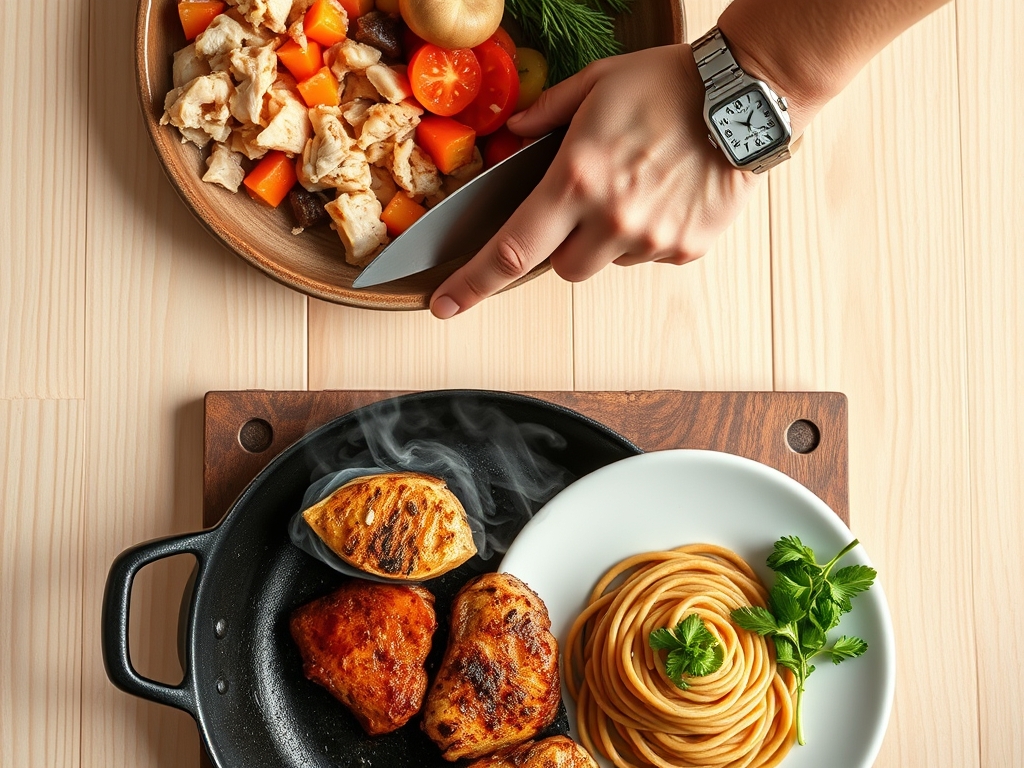
Pat your chicken bone-dry with paper towels before it hits the pan. Use your tongs to press the meat firmly against the hot surface to ensure even contact.
Pro Tip: This creates the Maillard reaction, a chemical dance between amino acids and reducing sugars. Without a dry surface, the meat steams instead of browning, robbing you of deep, savory complexity.
2. The Yogurt Brine Infusion
Coat your cutlets in a mixture of non-fat Greek yogurt and lemon juice. Let them marinate for at least thirty minutes before cooking.
Pro Tip: Lactic acid acts as a gentle tenderizer. Unlike harsh vinegar-based marinades that can turn meat mushy, yogurt breaks down tough proteins slowly, resulting in a succulent interior even after reheating.
3. The Deglaze and Emulsify
After removing the chicken, pour a splash of chicken bone broth into the hot skillet. Use a wooden spoon to scrape up the browned bits, then whisk in a teaspoon of cold butter or light cream cheese.
Pro Tip: This is called deglazing. Those browned bits, or "fond," contain concentrated flavor. By whisking in a fat source, you emulsify the liquid into a glossy, macro-friendly sauce that coats the protein perfectly.
4. The Low-Moisture Roast
For bulk prep, arrange your seasoned breasts on a wire rack set over a baking sheet. This allows hot air to circulate 360 degrees around the meat.
Pro Tip: Elevating the meat prevents it from sitting in its own juices. This ensures the exterior stays firm while the interior reaches the perfect temperature via convection, preventing the "boiled" texture often found in meal prep.
5. The Carryover Finish
Remove your chicken from the heat when the internal temperature hits 160 degrees Fahrenheit on your digital thermometer, rather than the standard 165.
Pro Tip: This accounts for thermal carryover. The internal temperature will continue to rise by 5 degrees while the meat rests. Pulling it early ensures you never cross the line into "cardboard" territory.
6. The Aerated Shred
For tacos or bowls, use a stand mixer with the paddle attachment to shred warm, poached chicken breasts in under thirty seconds.
Pro Tip: Shredding while warm allows the fibers to separate easily. This increases the surface area, allowing your sauces to infuse every strand, making the protein feel more substantial and flavorful.
7. The Citrus Zest Pop
Finish every dish with a fresh grating of lemon or lime zest using your microplane just seconds before serving.
Pro Tip: Heat destroys the delicate top-notes of citrus. Adding zest at the very end provides a piquant aromatic contrast to the savory meat, tricking the brain into perceiving more "brightness" without adding sodium.
The Deep Dive
When we look at the macro profile, these high protein chicken recipes average 35 to 45 grams of protein per 6-ounce serving, with fats kept under 8 grams. For Dietary Swaps, Keto enthusiasts can swap the bone broth for heavy cream; Vegan friends can apply these same seasoning techniques to seitan or extra-firm tofu. If you are Gluten-Free, ensure your liquid aminos are certified wheat-free.
The Fix-It: Technical Troubleshooting
- Dry Meat: You likely skipped the resting phase. Let the juices redistribute for 5 minutes.
- Bland Profile: You under-salted during the "Gathers" phase. Salt the meat 15 minutes before cooking to allow it to penetrate the core.
- Burnt Spices: If using high heat, add delicate spices like garlic powder halfway through. High heat carbonizes small particles quickly.
Meal Prep Science: To maintain "day-one" quality, reheat your chicken with a tablespoon of water or broth covered by a damp paper towel. This creates a steam chamber that prevents the protein from becoming fibrous and tough in the microwave.
The Wrap-Up
Mastering these high protein chicken recipes is about more than just hitting your numbers; it is about respecting the chemistry of your food. By utilizing tools like the heavy-bottomed skillet and techniques like deglazing, you turn a utilitarian chore into a culinary win. You now have the blueprint to fuel your body with precision and flair. Go ahead, get into the kitchen and show those macros who is boss.
The Kitchen Table
How do I keep chicken breast from getting dry?
Always use a digital thermometer to pull the meat at 160 degrees. Let it rest for five minutes; this allows the internal juices to thicken and reattach to the protein fibers, ensuring a moist result every time.
Can I freeze these high protein chicken recipes?
Yes. Freeze cooked chicken in airtight containers with a bit of sauce to prevent freezer burn. For the best texture, thaw in the refrigerator overnight before reheating gently with a splash of moisture to restore the original mouthfeel.
What is the best way to season chicken for gains?
Focus on dry rubs with smoked paprika, cumin, and garlic powder for a crust. Use Greek yogurt marinades for tenderness. Always finish with fresh herbs or citrus zest to provide aromatic complexity without adding unnecessary fats or sugars.
Is it better to bake or pan-sear chicken?
Pan-searing in a heavy skillet provides the best flavor through the Maillard reaction. Baking on a wire rack is superior for large-scale meal prep. Both methods are effective if you monitor the internal temperature to avoid overcooking the lean tissue.