
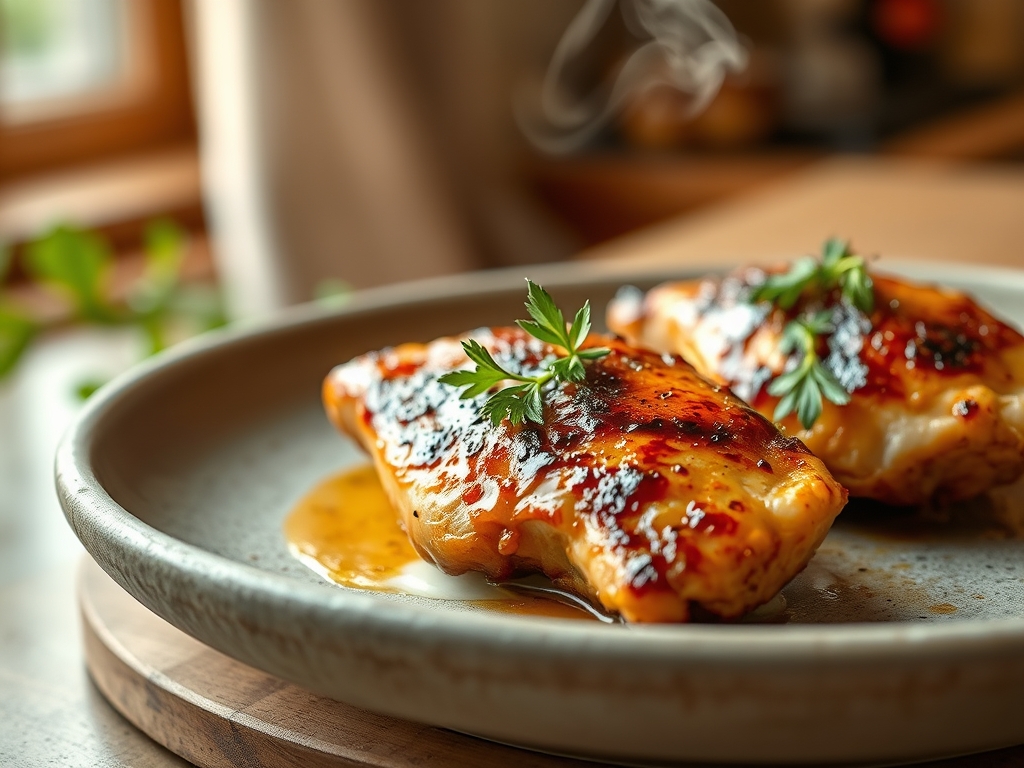
The smell of searing poultry is a chemical siren song that signals the start of a perfect evening. We are diving into ten essential chicken recipes that transform the humble bird into a culinary masterpiece. Whether you are craving a crisp skin or a silky braise, these methods turn simple ingredients into high-end dining experiences.
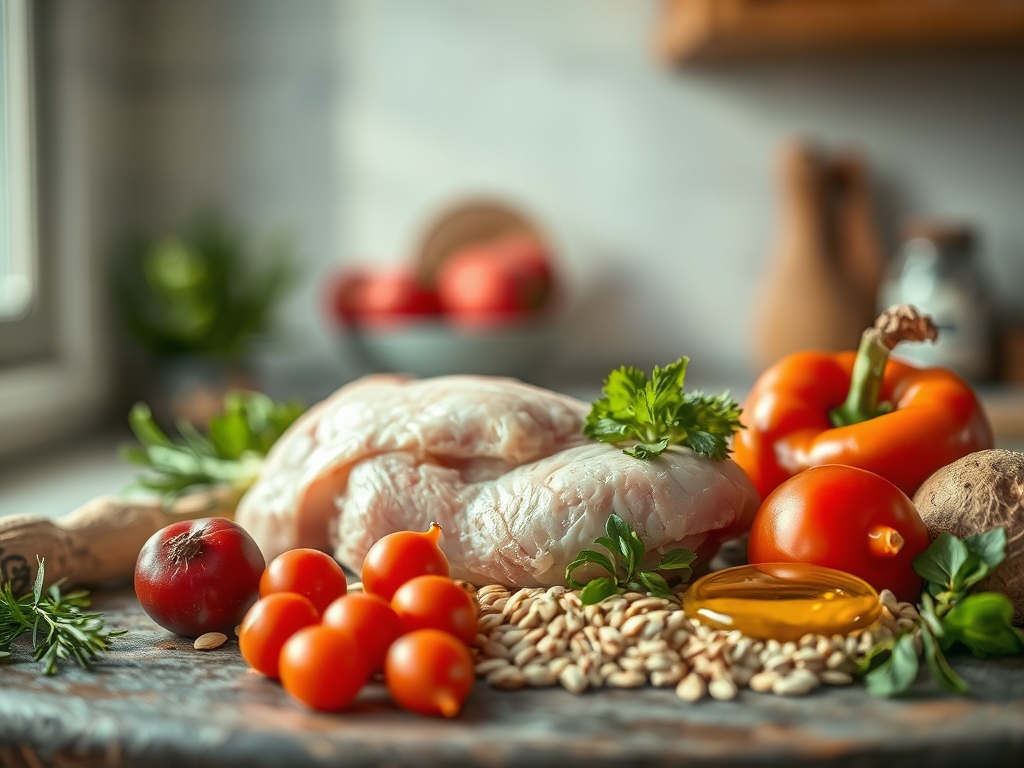
The Gathers:
To master these chicken recipes, your mise-en-place must be precise. Start with high-quality protein; organic, air-chilled chicken is superior because it lacks the excess water weight found in conventional brands. You will need a heavy-bottomed skillet to ensure even heat distribution and a digital scale for measuring dry rubs. Your pantry should stock viscous honey, piquant Dijon mustard, and high-smoke-point fats like avocado oil or ghee.
Smart Substitutions: If you lack fresh aromatics, use high-quality dried herbs but reduce the volume by two-thirds to avoid an overpowering herbal profile. If a recipe calls for white wine to deglaze, a splash of verjus or apple cider vinegar diluted with water provides that necessary acidity without the alcohol. For a dairy-free creaminess, full-fat coconut milk provides the necessary lipids to emulsify a pan sauce without curdling under high heat.
The Clock
Efficiency in the kitchen is about mastering the Chef's Flow. Most of these dishes require a fifteen-minute preparation window followed by twenty to thirty minutes of active cooking. The secret to speed is multitasking; while your chicken is rendering its fat in the pan, use your microplane to zest citrus or grate garlic. This overlap ensures that by the time the protein reaches its target internal temperature, your garnishes and side elements are ready for plating. Never skip the five-minute rest period; this allows muscle fibers to relax and reabsorb juices, preventing a dry result.
The Masterclass
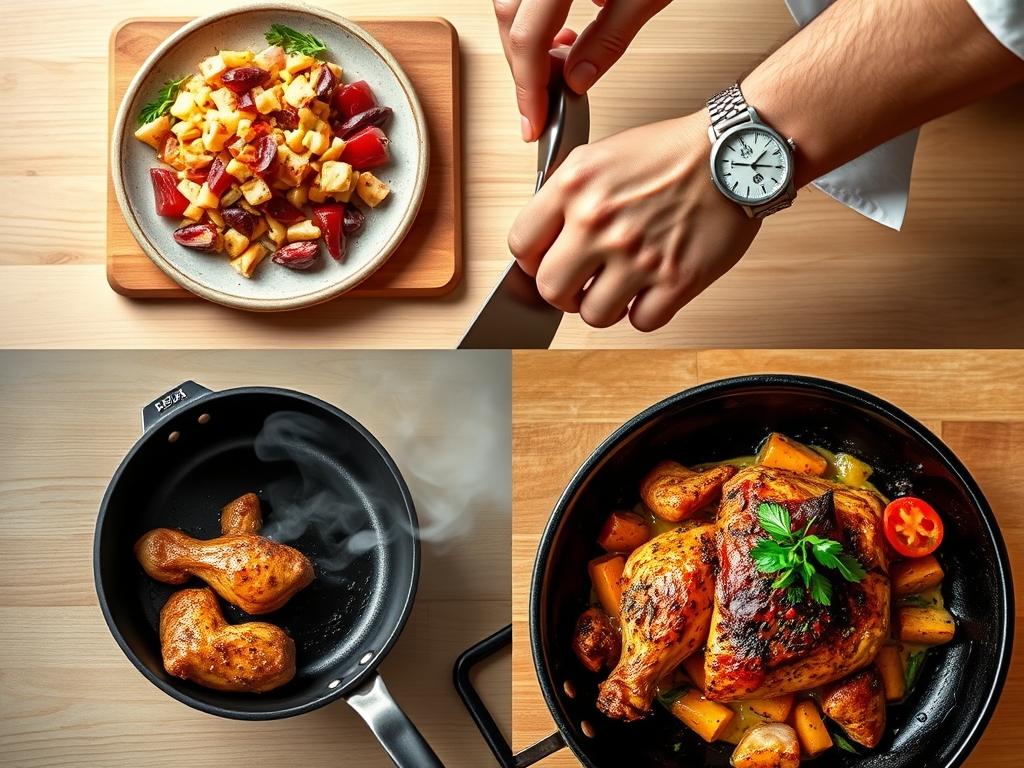
1. The Perfect Sear
Place your seasoned chicken skin-side down in a preheated cast iron pan. Do not crowd the pan, as this causes the temperature to drop and creates steam instead of a crust. Use tongs to press the meat firmly against the surface to maximize contact.
Pro Tip: This creates the Maillard reaction, a chemical dance between amino acids and reducing sugars that produces hundreds of flavor compounds. If the meat sticks, the reaction is not complete; wait for the protein to naturally release from the metal.
2. The Pan Sauce Deglaze
After removing the chicken, you will see golden bits stuck to the bottom of the pan. Pour in a liquid like chicken stock or dry vermouth while the pan is still hot. Use a whisk to scrape up every bit of that concentrated flavor.
Pro Tip: This process captures fond, the caramelized essence of the meat. Adding a cold pat of butter at the very end will mount the sauce, creating a glossy, stable emulsion that coats the back of a spoon.
3. The Low and Slow Braise
For thighs and drumsticks, submerging them halfway in a flavorful liquid inside a saucier allows the connective tissue to break down. Keep the liquid at a gentle simmer rather than a rolling boil to keep the meat tender.
Pro Tip: This converts tough collagen into gelatin. The resulting liquid becomes thick and rich, providing a luxurious mouthfeel that water-based sauces cannot replicate.
4. The Herb Infusion
Add woody herbs like rosemary or thyme to the fat in the pan during the final minutes of cooking. Spoon the hot, flavored fat over the chicken repeatedly.
Pro Tip: This is known as aromatic basting. Fat is a highly effective solvent for flavor; it extracts the essential oils from the herbs and distributes them evenly across the surface of the protein.
5. The Acid Balance
Finish every dish with a squeeze of fresh lemon juice or a dash of vinegar. This should be done off the heat to preserve the brightness of the acid.
Pro Tip: Acid acts as a flavor enhancer by balancing the richness of the fats. It stimulates the salivary glands, which makes the other savory notes in your chicken recipes taste more intense.
6. The Carryover Cook
Remove your chicken from the heat when it is five degrees below your target temperature. Tent it loosely with foil on a cutting board.
Pro Tip: This accounts for thermal carryover. Residual heat continues to move from the exterior to the center of the meat, ensuring it reaches safety standards without overcooking and becoming stringy.
7. The Dry Brine
Salt your chicken at least thirty minutes before cooking, or up to twenty-four hours in advance. Leave it uncovered in the refrigerator.
Pro Tip: Salt initially draws moisture out, but given time, it creates a brine that is reabsorbed into the cells. This denatures the proteins, allowing them to hold more water during the cooking process.
8. The Velveting Technique
For stir-fry chicken recipes, coat small pieces of breast meat in a mixture of cornstarch and egg white before a quick flash-fry.
Pro Tip: This creates a protective barrier that prevents the delicate breast meat from toughening. The starch also helps the sauce adhere to the meat for a consistent flavor profile.
9. The Spatchcock Method
Use kitchen shears to remove the backbone of a whole chicken, then flatten it out before roasting.
Pro Tip: Increasing the surface area allows for more even heat distribution. This ensures the dark meat reaches its higher ideal temperature at the same time the lean breast meat finishes.
10. The Emulsified Marinade
Whisk together oil, acid, and an emulsifier like mustard or honey to create a thick coating for the meat.
Pro Tip: An emulsified marinade clings to the chicken rather than sliding off. This ensures that every millimeter of the surface is treated with flavor and protected from the harsh dry heat of the oven.
The Deep Dive
Chicken is a nutritional powerhouse, offering high-density lean protein with minimal saturated fat if the skin is removed. For a Keto version of these recipes, swap out honey for monk fruit sweetener and use heavy cream instead of starch-based thickeners. To make these dishes Vegan, firm tofu or seitan can be treated with the same searing and deglazing techniques to mimic the savory depth of poultry.
The Fix-It:
If your chicken is rubbery, it was likely cooked too fast at too high a temperature; try a lower heat setting next time. If the skin is flabby, the pan was not hot enough or there was too much moisture; pat the skin bone-dry with paper towels before searing. If the sauce is broken or oily, whisk in a tablespoon of warm water or a bit of lecithin-rich mustard to pull the emulsion back together.
Meal Prep: When reheating chicken, use a low-power setting on the microwave or a covered pan on the stove with a splash of water. This creates a steam-chamber effect that prevents the protein from re-coagulating and becoming tough.
The Wrap-Up
Mastering chicken recipes is about understanding the intersection of heat, fat, and timing. By using the right tools like a heavy-bottomed skillet and a digital scale, you elevate a basic meal into a professional-grade experience. Keep experimenting with different aromatics and acids to find your signature flavor profile. Now, get into the kitchen and let that Maillard reaction work its magic!
The Kitchen Table
How do I get the skin extra crispy?
Pat the chicken completely dry with paper towels. Salt the skin and leave it uncovered in the fridge for several hours. This dehydrates the surface, allowing the fat to render quickly and the skin to crisp without steaming.
Is it safe to cook chicken from frozen?
It is not recommended for high-heat methods. Frozen chicken releases excess moisture as it thaws, which prevents browning. For the best results, thaw completely in the refrigerator to maintain the integrity of the muscle fibers and ensure even cooking.
What is the best way to tell if chicken is done?
Use a digital thermometer to check the thickest part of the meat. For breasts, aim for 165 degrees Fahrenheit. For thighs, 175 degrees is better as it allows the connective tissue to fully soften for a juicier texture.
Why does my chicken breast always turn out dry?
Breast meat is very lean and overcooks quickly. Use a dry brine to help the cells retain moisture and always allow the meat to rest for five minutes after cooking to ensure the juices redistribute throughout the fibers.