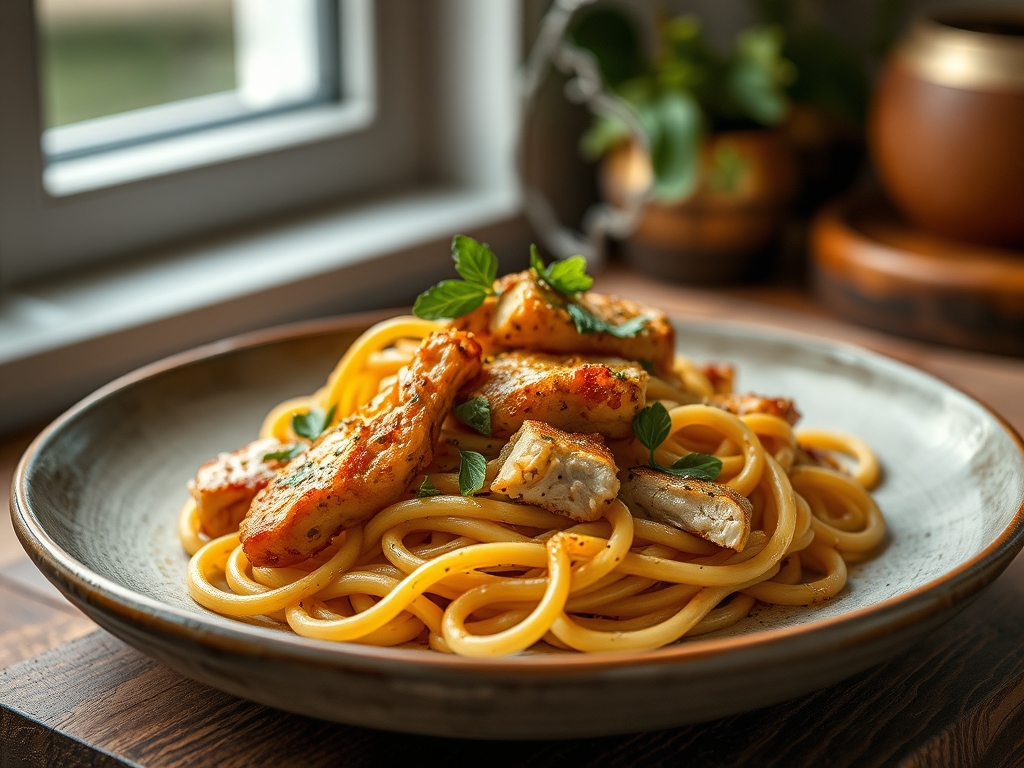
Imagine the scent of toasted garlic swirling through your kitchen as a heavy-bottomed skillet begins to sizzle. There is a specific, comforting magic found in the perfect bowl of noodles and lean protein. Finding pasta with chicken recipes healthy enough for your daily rotation means balancing that soulful Italian craving with high-density nutrition and vibrant, seasonal produce.
We are moving far beyond the heavy, cream-laden sauces of the past. Modern culinary science allows us to create silky, luxurious textures using starchy pasta water and emulsified aromatics rather than excessive fats. Whether you are craving a piquant lemon-caper finish or a robust, sun-dried tomato infusion, the secret lies in the technique. By focusing on high-protein poultry and complex carbohydrates, we transform a simple weeknight dinner into a high-performance meal that fuels your body without the post-dinner lethargy. Think of this as your roadmap to mastering the art of the healthy bowl; where every ingredient serves a purpose and every bite delivers a sophisticated profile of flavor and texture.
The Gathers:
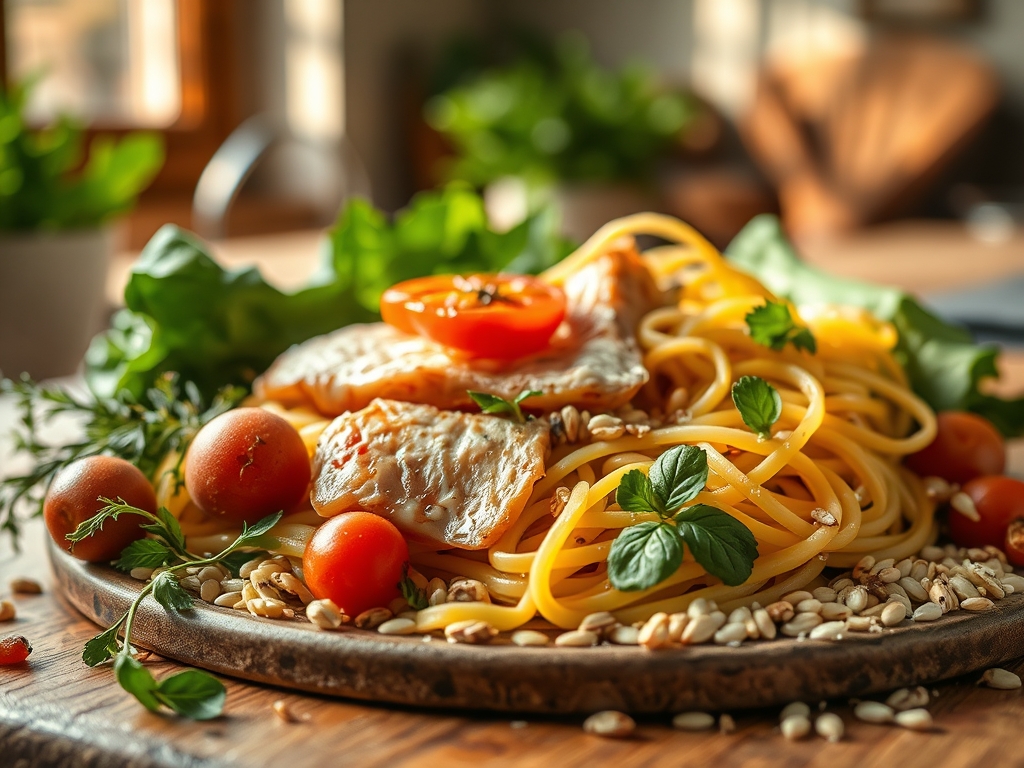
Before we ignite the burner, we must respect the mise-en-place. Your workstation should be a sanctuary of organized potential. Start with your protein: organic chicken breasts or thighs, patted bone-dry to ensure the Maillard reaction occurs immediately upon contact with the heat. Moisture is the enemy of a golden-brown crust. For your pasta, look toward whole-grain varieties, chickpea-based alternatives, or ancient grains like farro pasta to increase fiber content and lower the glycemic index.
The aromatics are where the soul of the dish resides. Use a microplane to zest fresh lemons and grate hard cheeses like Pecorino Romano; this increases the surface area, allowing the flavor to infuse the sauce more efficiently. You will also need a high-quality olive oil with a high smoke point for the initial sear, and a finishing oil for that raw, grassy punch at the end.
Smart Substitutions:
- Swap heavy cream for Greek yogurt or silken tofu to achieve a viscous consistency with half the lipids.
- Replace traditional butter with a small amount of pasta cooking water and a vigorous stir to create a natural starch emulsion.
- Use nutritional yeast for a nutty, cheesy profile if you are reducing dairy intake.
- Incorporate "volume eaters" like riced cauliflower or spiralized zucchini mixed directly into your grain pasta to increase micronutrient density.
The Clock
Efficiency in the kitchen is about "Chef's Flow." This is the psychological state where your movements are rhythmic and your timing is precise. For most pasta with chicken recipes healthy and fast, you are looking at a 15-minute prep window and a 20-minute cook time.
The flow begins by boiling your water first. Water has a high specific heat capacity; it takes time to reach a rolling boil. While the water heats, you perform your knife work. Use a bench scraper to clear your board quickly, keeping your workspace pristine. The chicken should hit the pan just as the pasta enters the water. This synchronization ensures the noodles are finished exactly when the sauce is ready to receive them, preventing the pasta from becoming gummy or cold.
The Masterclass
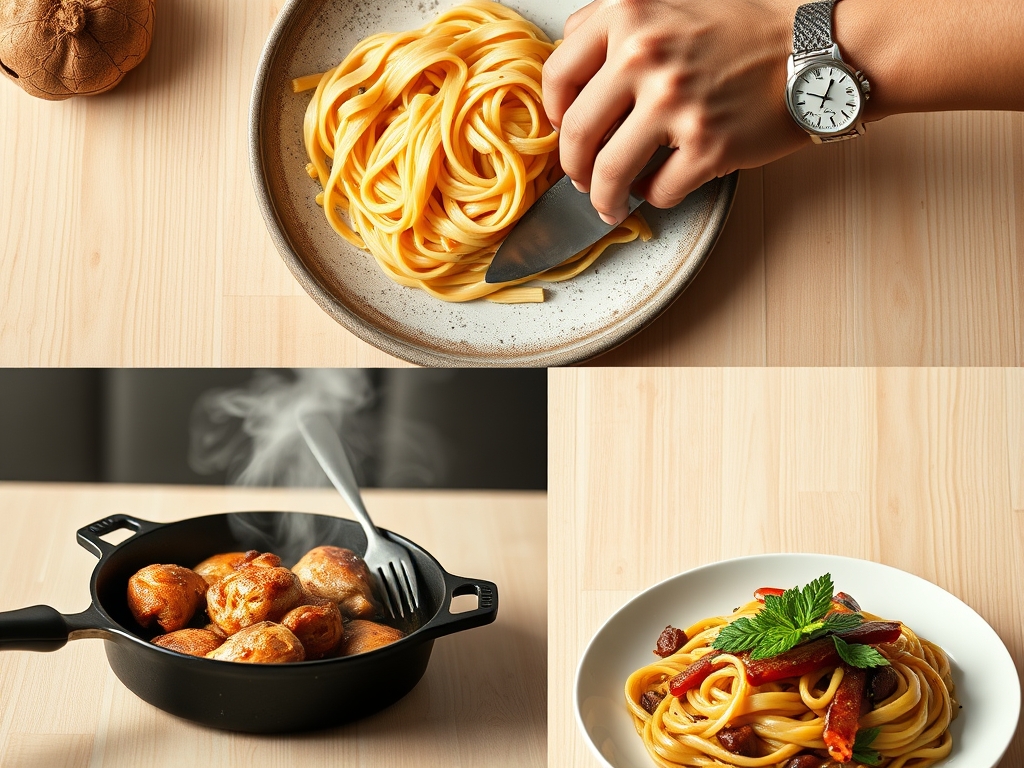
1. The Sear and Render
Place your seasoned chicken in a preheated heavy-bottomed skillet. Do not crowd the pan; overcrowding drops the surface temperature and causes the meat to steam in its own juices rather than sear.
Pro Tip: This stage relies on enzymatic browning. By leaving the chicken undisturbed for three minutes, you allow amino acids and reducing sugars to reorganize into complex flavor compounds. If the meat resists when you try to flip it with tongs, it is not ready.
2. The Al Dente Precision
Drop your pasta into water that is as salty as the sea. Do not add oil to the water; this coats the noodles and prevents the sauce from adhering later.
Pro Tip: Aim for "true" al dente, which is usually two minutes less than the package instructions. The pasta will undergo thermal carryover cooking once it is tossed into the warm sauce, reaching perfection just as it hits the plate.
3. The Fond Deglaze
After removing the chicken, you will see brown bits stuck to the bottom of the pan. This is "fond," the concentrated essence of flavor. Pour in a splash of dry white wine or low-sodium chicken stock.
Pro Tip: Use a wooden spoon to scrape the bottom. This process of deglazing incorporates those caramelized proteins back into your liquid base, creating a built-in sauce depth without needing artificial flavor enhancers.
4. The Starch Emulsion
Before draining your pasta, reserve one cup of the cloudy cooking water. This liquid is liquid gold, filled with released starches from the grain.
Pro Tip: Adding this water to your skillet creates a colloidal suspension. The starch acts as a bridge between the fats and the liquids, resulting in a creamy, glossy sauce that clings to every ridge of the pasta.
5. The Final Aeration
Return the chicken to the pan along with your pasta and fresh herbs. Toss vigorously over medium-high heat.
Pro Tip: This movement helps to aerate the sauce, lightening the texture. Use your saucier or skillet to flip the pasta, ensuring every strand is coated in the emulsified pan sauce before the heat is killed.
The Deep Dive
When we look at the macro nutrition of these meals, we are aiming for a balanced ratio: roughly 30 percent protein, 40 percent complex carbohydrates, and 30 percent healthy fats. A standard serving of healthy chicken pasta provides approximately 35 to 45 grams of protein, which is essential for muscle synthesis and satiety.
Dietary Swaps:
- Vegan: Substitute chicken with seared oyster mushrooms or tempeh; use cashew cream for the base.
- Keto: Swap pasta for shirataki noodles or ribbons of daikon radish.
- Gluten-Free: Opt for brown rice or quinoa pasta, ensuring you rinse them briefly to remove excess exterior starch that can make GF noodles mushy.
The Fix-It:
- Pitfall: The sauce is too thin. Fix: Whisk in a teaspoon of cornstarch slurry or reduce the liquid by a third over high heat.
- Pitfall: The chicken is dry. Fix: Always use a digital scale to ensure uniform thickness and pull the meat at 160 degrees Fahrenheit; it will reach the safe 165 mark during resting.
- Pitfall: The pasta is sticking. Fix: You likely didn't use enough water. Ensure the pasta has room to move and stir immediately after dropping it into the pot.
Meal Prep Science:
To maintain "day-one" quality, store your sauce and pasta separately if possible. If already mixed, add a teaspoon of water before reheating in the microwave or on the stovetop. This creates steam that re-hydrates the starch molecules, preventing that dreaded "dry noodle" texture.
The Wrap-Up
Mastering pasta with chicken recipes healthy is about more than just following a list of ingredients; it is about understanding the chemistry of the kitchen. By focusing on the sear, the deglaze, and the starch emulsion, you can create restaurant-quality meals that support your wellness goals. There is no reason a healthy lifestyle cannot include the joy of a perfectly executed pasta dish. Now, grab your favorite skillet and let the alchemy begin!
The Kitchen Table
How do I keep chicken moist in pasta?
Sear the chicken over high heat to develop a crust, then remove it from the pan while you build the sauce. Return the chicken at the very end to gently warm through, preventing the proteins from over-contracting and becoming tough.
Which pasta shape is best for healthy sauces?
Choose shapes with ridges or holes, like penne or fusilli. These "architectural" shapes capture thin, healthy sauces made from broth or pasta water much better than smooth noodles, ensuring you get flavor in every single bite without excess fat.
Can I make healthy pasta without cream?
Absolutely. Use the "pasta water technique" by whisking starchy cooking water into your sautéed aromatics. The starch creates a natural emulsion that mimics the mouthfeel of cream while remaining light, low-calorie, and deeply flavorful.
Is whole wheat pasta actually better for you?
Yes, whole wheat pasta contains the germ and bran, providing significantly more fiber and micronutrients than refined white pasta. This leads to a slower glucose release in your bloodstream, keeping your energy levels stable and keeping you fuller for longer.