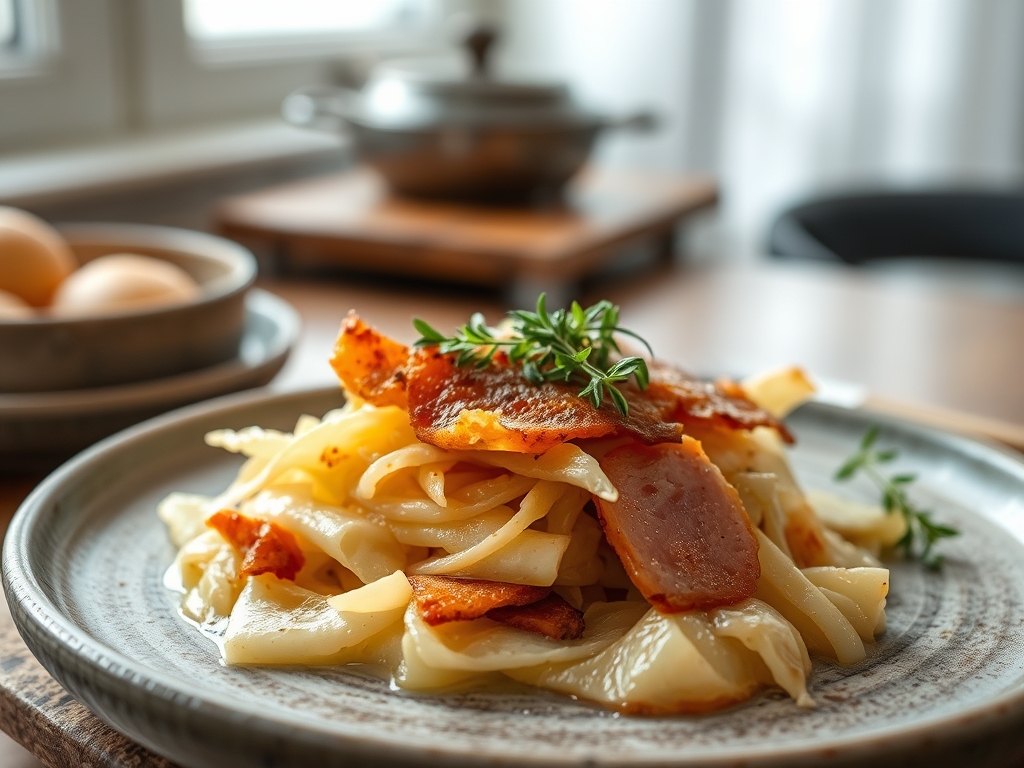
The scent of rendered pork fat hitting a hot cast iron surface is a universal love language. When you are craving comfort that actually satisfies, cabbage ham and potato recipes offer the ultimate trifecta of texture, salt, and earthiness. This is not just a "throw it in the pan" dinner; it is a masterclass in balancing sulfurous cruciferous greens with starchy tubers and cured proteins.
The magic happens in the layering of flavors. You start with the smoky depth of the ham, move into the creamy heart of a gold potato, and finish with the bright, peppery crunch of fresh cabbage. It is a humble combination that, when executed with a bit of culinary finesse, transforms into a restaurant-quality meal. Whether you are looking for a quick weeknight fix or a slow-seared weekend brunch, these seven variations on the classic skillet will change how you view your crisper drawer. We are talking about deep caramelization, high-heat searing, and the kind of "crispy bits" that people fight over at the table. Grab your heaviest skillet; we are going in.
The Gathers:
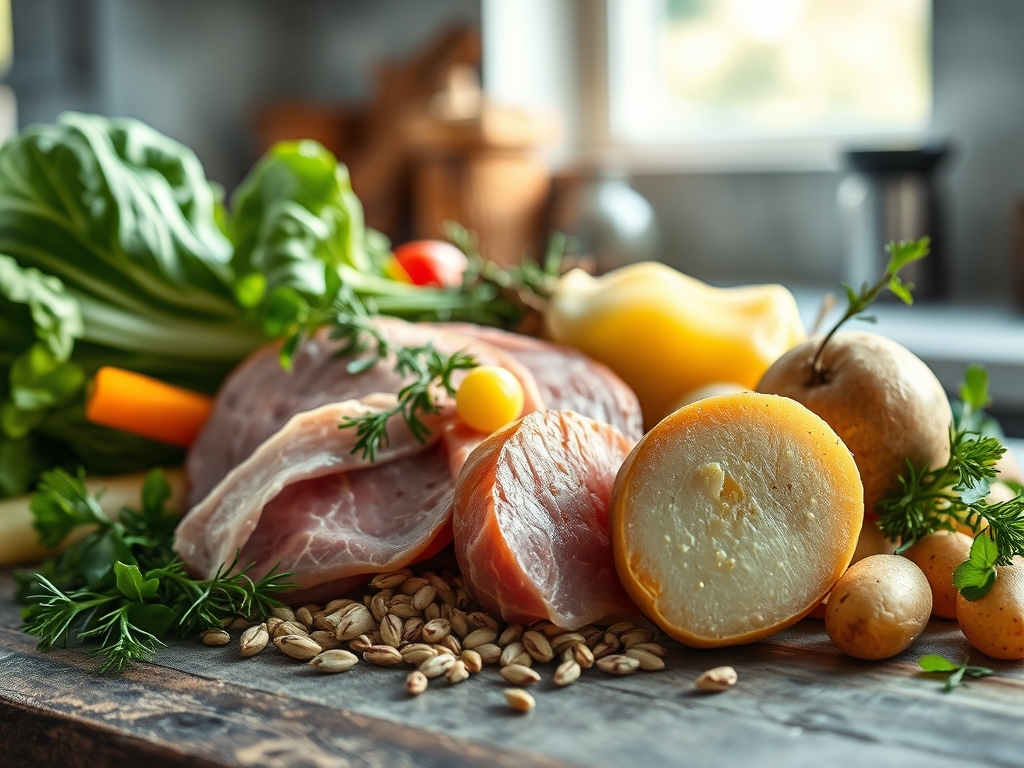
Before we fire up the burners, we need to talk about mise-en-place. For world-class cabbage ham and potato recipes, your ingredient selection determines the final structural integrity of the dish. You want a waxy potato, like a Yukon Gold or Red Bliss, because they contain less starch and more moisture than a Russet. This ensures they hold their shape during the vigorous tossing required in a skillet.
Your cabbage should be heavy for its size with tightly packed leaves. While green cabbage is the standard, Savoy cabbage offers a beautiful crinkled texture that catches sauce and fat in its ridges. For the ham, skip the thin deli slices. You need a thick-cut bone-in ham steak or leftover holiday ham diced into uniform half-inch cubes. This provides the necessary surface area for the Maillard reaction to occur, giving you those savory, browned edges.
Smart Substitutions:
If you are out of fresh garlic, use a fermented black garlic paste for a deeper, balsamic-like undertone. No Yukon Golds? Use sweet potatoes for a lower glycemic index and a pop of color. If you find your cabbage is a bit bitter, a splash of apple cider vinegar or a teaspoon of honey will neutralize the sulfur compounds instantly. Always keep a high-quality microplane nearby to zest a little lemon over the final dish; the citric acid cuts through the heavy fats perfectly.
The Clock
Efficiency in the kitchen is about "Chef's Flow," which is the art of overlapping tasks so no heat is wasted. For these cabbage ham and potato recipes, expect a 15-minute prep time and a 25-minute cook time.
The flow works like this: start your potatoes first. Because they are the densest ingredient, they require the most thermal energy to soften. While the potatoes are par-cooking or searing, you should be using your bench scraper to clear your cutting board of chopped cabbage and onions. By the time the potatoes are golden, your ham is ready to be tossed in to render its fat. The cabbage goes in last because it has the highest water content; if you add it too early, you will steam the potatoes instead of searing them. Total active time is minimal if you follow this sequence.
The Masterclass
1. The Initial Sear
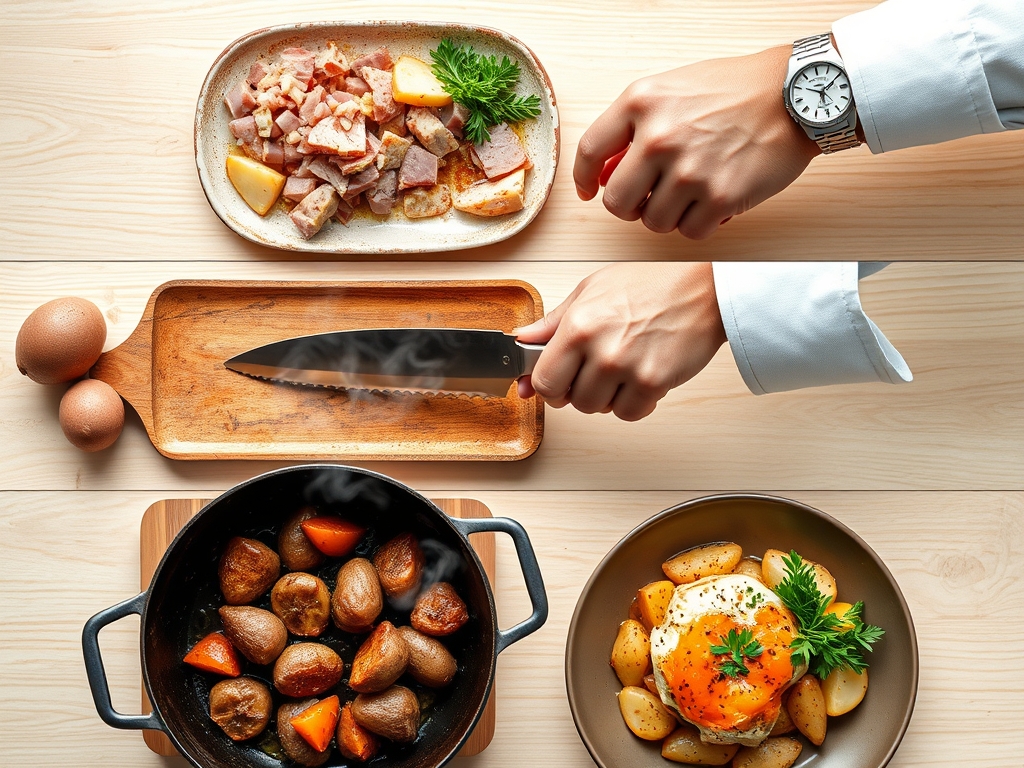
Heat your heavy-bottomed skillet over medium-high heat with a tablespoon of neutral oil or clarified butter. Add your cubed potatoes in a single layer. Do not crowd the pan, or you will drop the surface temperature and cause the potatoes to release moisture rather than brown.
Pro Tip: This stage utilizes enzymatic browning and starch gelatinization. By leaving the potatoes undisturbed for the first four minutes, you create a structural crust that prevents them from turning into mush later in the process.
2. Rendering the Ham
Once the potatoes are 70 percent cooked, push them to the perimeter of the pan and drop the ham into the center. Use tongs to press the ham against the hot metal. You are looking for the fat caps to become translucent and the edges to turn a deep mahogany.
Pro Tip: The sugars in the ham cure will undergo caramelization at 320 degrees Fahrenheit. This creates a complex flavor profile that seasons the entire skillet without needing excess salt.
3. The Cabbage Infusion
Add your shredded cabbage and a pinch of salt. The salt acts as an osmotic agent, drawing out the water from the cabbage cells. This moisture will deglaze the bottom of the pan, picking up all the "fond" (the brown bits) left by the ham and potatoes.
Pro Tip: Cabbage contains glucosinolates which can smell "funky" if overcooked. By using a high-heat quick sauté, you maintain the vegetable's piquant snap and prevent the release of strong sulfur odors.
4. Aerating and Seasoning
Toss the mixture vigorously to aerate the ingredients. This prevents the bottom layer from scorching while the top layer remains raw. Add your aromatics now; garlic, thyme, or smoked paprika. Adding them too early would result in burnt, bitter spices.
Pro Tip: Use a digital scale if you are meal prepping to ensure even distribution of protein to starch. Consistent sizing ensures that every bite has the same thermal profile.
5. The Final Glaze
Finish the dish with a knob of cold butter or a splash of chicken stock. Stir rapidly to create a viscous emulsion that coats every piece of potato and cabbage leaf. This creates a luxurious mouthfeel without the need for a heavy cream sauce.
Pro Tip: This is called mounting with butter (monter au beurre). The cold fat emulsifies with the small amount of liquid in the pan, creating a glossy sheen that helps seasonings stick to the food.
The Deep Dive
Macro Nutrition:
A standard serving of these cabbage ham and potato recipes is surprisingly balanced. You get complex carbohydrates from the potatoes, lean protein and essential minerals from the ham, and a massive dose of Vitamin C and K from the cabbage. To keep it lean, use a center-cut ham and limit the added fats.
Dietary Swaps:
For a Keto-friendly version, swap the potatoes for cauliflower florets or radishes (which lose their bite and taste remarkably like potatoes when fried). For a Vegan version, use smoked tofu or tempeh seasoned with liquid smoke and soy sauce to mimic the ham's umami. Always ensure your spices are certified Gluten-Free if you have sensitivities.
The Fix-It:
- Soggy Potatoes: This usually means the pan was overcrowded. Fix it by removing the cabbage and ham and returning the potatoes to a hot, dry skillet with a bit of oil to re-crisp.
- Bitter Cabbage: If the cabbage tastes "old," add a teaspoon of sugar and a tablespoon of lemon juice. The sweetness and acidity will mask the bitterness.
- Too Salty: Ham is naturally high in sodium. If you over-seasoned, add a splash of heavy cream or more unsalted cabbage to dilute the salt concentration.
Meal Prep & Reheating:
To maintain "day-one" quality, store the skillet in an airtight glass container. When reheating, avoid the microwave if possible; it turns the potatoes "waxy" and the cabbage "rubbery." Instead, use a saucier or small pan over medium heat with a teaspoon of water. Cover with a lid for two minutes to steam-heat the center, then uncover to re-crisp the edges.
The Wrap-Up
Mastering cabbage ham and potato recipes is about respecting the physics of the pan. It is a dish that proves you do not need expensive ingredients to create something deeply satisfying and technically sound. By focusing on the sear, the sequence of ingredients, and the final emulsion, you elevate a "peasant dish" into a staple of your culinary repertoire. Now, go grab that skillet and start rendering; your kitchen is about to smell incredible.
The Kitchen Table
Can I use frozen potatoes for this recipe?
Yes, but thaw and pat them dry first. Frozen potatoes have excess surface moisture that prevents the Maillard reaction, leading to steaming rather than searing. Removing that moisture ensures a crispy exterior.
What is the best way to cut the cabbage?
Remove the core first. Slice the head into quarters, then use a sharp chef knife to create thin ribbons. Uniformity is key; thin ribbons cook faster and integrate better with the potatoes and ham.
How do I prevent the garlic from burning?
Always add garlic during the last two minutes of cooking. Because garlic has a low burn point and high sugar content, it turns bitter quickly under high heat. Adding it late allows it to infuse without scorching.
Can I make this in a slow cooker?
You can, but you will lose the textural contrast. A slow cooker will soften everything into a stew-like consistency. For the best cabbage ham and potato recipes, the high-heat skillet method is superior for flavor development.
Is this dish freezer friendly?
Potatoes often change texture when frozen and thawed, becoming somewhat grainy. It is best enjoyed fresh or kept in the refrigerator for up to four days. If you must freeze, undercook the potatoes slightly.