
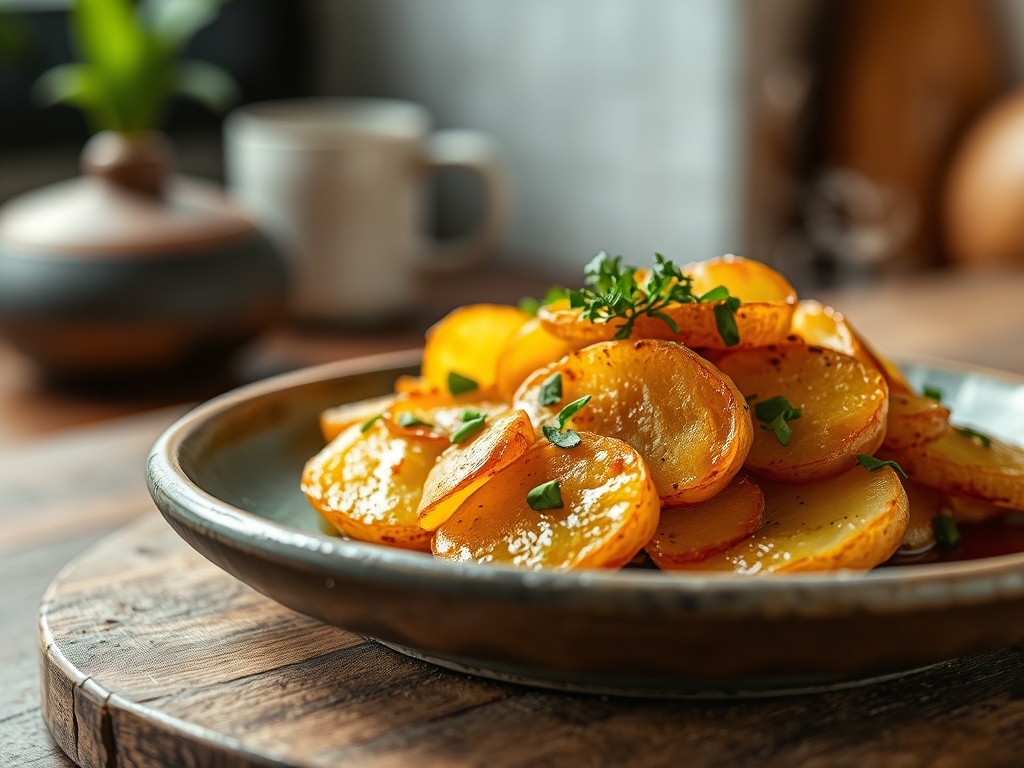
Picture the steam rising from a heavy-bottomed skillet as the starch begins to caramelize; that is the scent of pure comfort. When you dive into the world of korean potato recipes, you are not just making a side dish; you are mastering the art of the glaze. We are talking about that perfect balance of salty, sweet, and piquant that defines Seoul soul food. Whether it is the glassy sheen of Gamja Jorim or the crunch of a street-style pancake, these snacks are designed to hug your taste buds from the inside out.
The secret lies in the humble spud's ability to act as a porous canvas for bold aromatics. We are going to transform high-starch tubers into masterpieces of texture, ranging from pillowy soft to shatteringly crisp. This is not your average mash. This is a scientific exploration of Maillard reactions and osmotic pressure disguised as a cozy kitchen hang. Grab your apron and your favorite tongs; we are about to elevate your snack game to a professional level.
The Gathers:
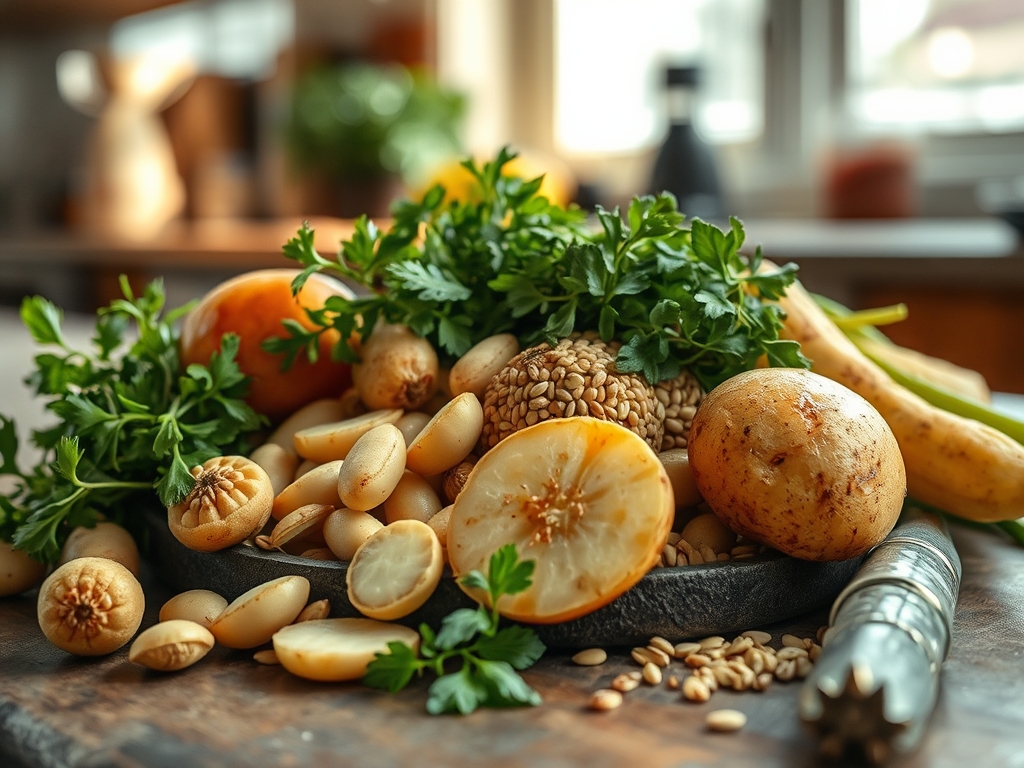
To execute these korean potato recipes with precision, your mise-en-place must be impeccable. Start with the potatoes; specifically, waxy varieties like Yukon Gold for braising and starchy Russets for frying. You will need a high-quality soy sauce (Ganjang) to provide the base salinity and umami. For that signature heat, source authentic Gochugaru (Korean chili flakes), which offers a smoky, sun-dried depth without the overwhelming vinegar punch of hot sauce.
Your pantry should also hold toasted sesame oil, which is a volatile aromatic that must be handled with care to avoid bitterness. Rice syrup or corn syrup is essential for that glossy, viscous finish that clings to the potato surface. For aromatics, keep fresh garlic and scallions on hand. If you are looking for smart substitutions, you can swap rice syrup for honey, though the sheen will be slightly less mirror-like. If you are avoiding gluten, Tamari is an excellent 1:1 replacement for soy sauce that maintains the necessary amino acid profile for deep browning.
The Clock
Efficiency in the kitchen is all about "Chef's Flow." For these six snacks, expect a total preparation time of 20 minutes and a collective cooking window of 40 minutes. The flow begins with the "Cold Soak" phase; while your potatoes release excess surface starch in a bowl of filtered water, you can prepare your sauces in a small saucier. This overlap ensures that by the time your skillet is hot, every component is ready for immediate integration.
The cooking time is divided into the "Softening Phase" and the "Glaze Phase." During the first 15 minutes, we focus on breaking down the pectin in the potatoes. The final 5 minutes are high-intensity, where we reduce liquids into a thick syrup. This rapid reduction prevents the potatoes from becoming mushy while ensuring the exterior is thoroughly infused with flavor. Always use a digital scale for your dry ingredients to ensure consistent results every time you hit the stove.
The Masterclass
1. The Precision Dice and Starch Removal
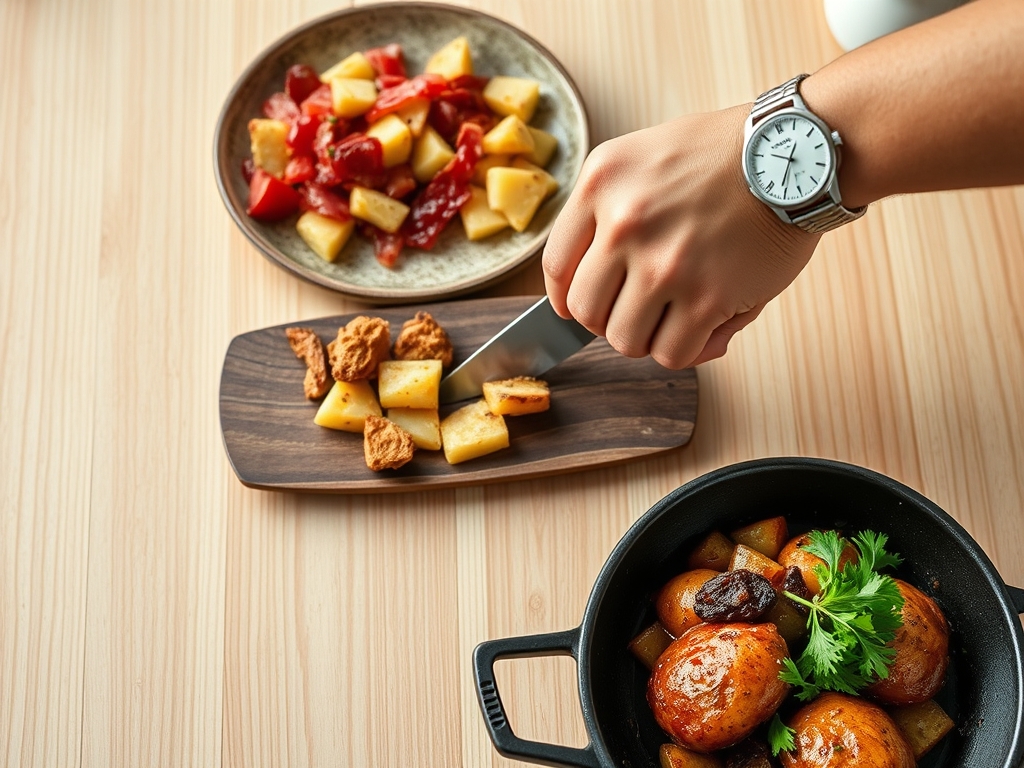
Begin by peeling your potatoes and dicing them into uniform 1-inch cubes. Use a sharp chef's knife to ensure clean edges, which helps the pieces cook at the same rate. Immediately submerge the cubes in cold water for 10 minutes.
Pro Tip: This soak removes excess surface starch. If left on, the starch will gelatinize prematurely in the pan, leading to a gummy texture rather than a clean, distinct bite. This is known as preventing "retrogradation" during the initial heating phase.
2. The Searing and Lipid Infusion
Drain the potatoes and pat them bone-dry with a lint-free towel. Heat a heavy-bottomed skillet with a neutral oil over medium-high heat. Add the potatoes and toss using stainless steel tongs until the edges are golden and translucent.
Pro Tip: Searing creates a structural "crust" through the Maillard reaction. This toasted exterior acts as a barrier, preventing the potato from falling apart later when we introduce the braising liquid.
3. The Deglaze and Simmer
Lower the heat and add a mixture of soy sauce, water, and minced garlic. Use a wooden spoon to deglaze the pan, scraping up any fond (browned bits) from the bottom. Cover the skillet and let the potatoes simmer for about 8 to 10 minutes.
Pro Tip: Deglazing incorporates concentrated sugars and proteins back into the sauce. The steam trapped under the lid uses convection to cook the interior of the potato without evaporating the precious flavored liquid too quickly.
4. The Viscous Glaze Reduction
Remove the lid and pour in your rice syrup and Gochugaru. Increase the heat slightly and stir constantly. The liquid will begin to bubble and thicken into a dark, mahogany syrup that coats each cube perfectly.
Pro Tip: This is the "Reduction Stage." As water evaporates, the sugar concentration increases, creating a viscous coating. The syrup reaches a "soft ball" stage, which provides that iconic Korean street-food shine.
5. The Aromatic Finish
Once the sauce has reduced to a thick coating, kill the heat. Drizzle with toasted sesame oil and use a microplane to zest a bit of fresh ginger over the top for a bright, citrusy lift. Toss one last time to emulsify the oils with the sugar base.
Pro Tip: Sesame oil is heat-sensitive. Adding it at the very end (off-heat) preserves its delicate volatile compounds, ensuring the nutty aroma remains potent rather than turning acrid.
6. The Garnish and Aeration
Transfer the snacks to a wide, shallow bowl. Sprinkle with toasted sesame seeds and thinly sliced scallions. Let the dish sit for two minutes before serving to allow the temperature to stabilize.
Pro Tip: This resting period allows for "Thermal Carryover." The residual heat finishes cooking the very center of the potato cubes, while the exposure to air helps the glaze set into a tacky, finger-licking consistency.
The Deep Dive
When we look at the macro nutrition of these snacks, potatoes provide a solid base of complex carbohydrates and potassium. By using minimal oil and focusing on soy-based umami, we keep the fat content lower than traditional deep-fried chips. For those on specific diets, these recipes are naturally gluten-free if using Tamari. For a Keto-friendly version, replace the potatoes with cauliflower florets and use a monk-fruit based syrup; the texture will be softer, but the flavor profile remains intact.
"The Fix-It" section is your insurance policy. If your potatoes are too salty, add a splash of rice vinegar; the acidity cuts through the sodium. If the sauce is too thin, whisk a teaspoon of cornstarch with cold water and stir it in to create an instant slurry. If the potatoes are still hard but the sauce is gone, add two tablespoons of water and cover the pan for two minutes to create a mini-steam chamber. For meal prep, reheat these in an air fryer at 350 degrees for 4 minutes to reactivate the sugars without making the centers soggy.
The Wrap-Up
Mastering korean potato recipes is like learning a new dialect of comfort. It is about understanding how a simple root vegetable can become a vessel for complex, fermented flavors and satisfying textures. These six snacks are more than just food; they are a testament to how science and soul meet in the kitchen. Whether you are serving them as a "Banchan" side dish or eating them straight out of the pan at midnight, you now have the technical prowess to make them perfect every single time. Now, go forth and glaze those spuds!
The Kitchen Table
Can I use sweet potatoes instead of regular potatoes?
Yes, but reduce the added sugar. Sweet potatoes have a higher natural fructose content and will caramelize much faster, so monitor the heat closely to prevent the glaze from burning during the reduction phase.
Why are my potatoes falling apart in the pan?
This usually happens if you skip the initial sear or use a potato with too much moisture. Stick to Yukon Golds and ensure you create that golden crust first to lock in the structural integrity.
How long do these snacks stay fresh in the fridge?
You can store them in an airtight container for up to four days. The glaze will thicken significantly when cold, so add a tiny drop of water before reheating to loosen the sauce back to its original luster.
What is the best way to get a spicy kick without too much heat?
Use a combination of Gochugaru and a touch of smoked paprika. The Gochugaru provides the authentic flavor profile, while the paprika adds color and depth without increasing the Scoville heat units significantly.