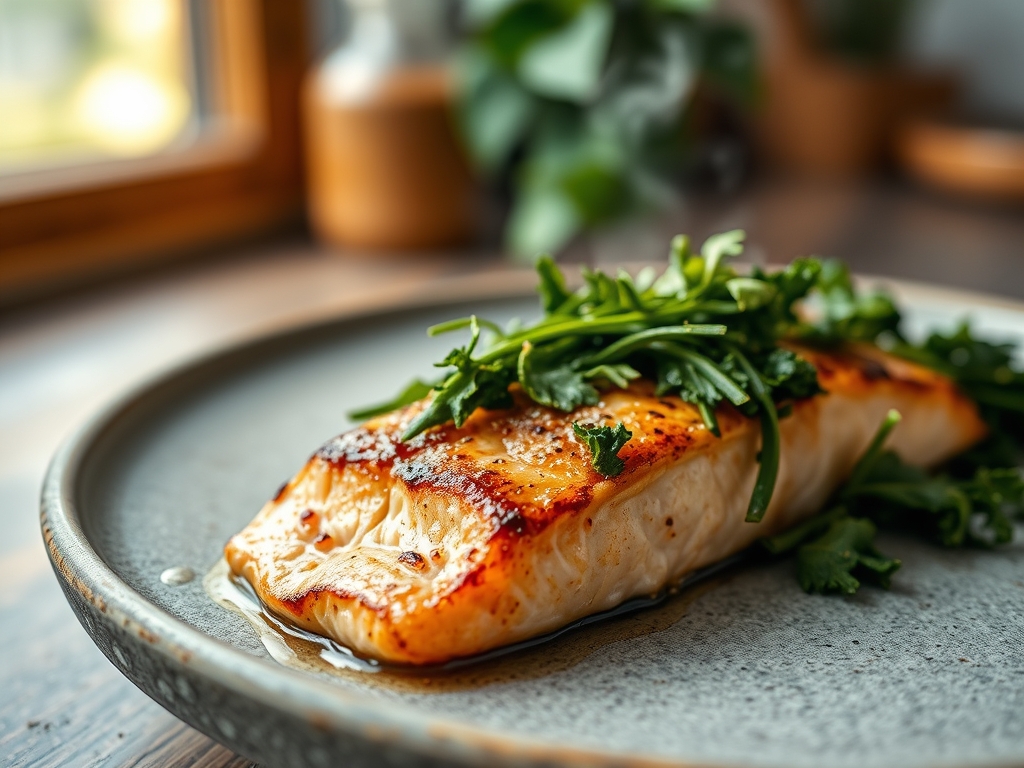
Close your eyes and listen to that specific, aggressive sizzle that occurs the moment cold protein meets a shimmering, oil-slicked heavy-bottomed skillet. It is the sound of the Maillard reaction beginning its chemical transformation. When you master kale salmon recipes, you are not just cooking dinner; you are orchestrating a high-stakes collision of textures and nutrients. Imagine the contrast between the buttery, flake-apart richness of a medium-rare Atlantic fillet and the structural, earthy resistance of curly kale that has been massaged into submission with acid and fat. This pairing is a nutritional powerhouse, blending the long-chain omega-3 fatty acids of the fish with the dense fibrous network of the greens. We are moving past the era of soggy leaves and overcooked, chalky fish. Today, we are diving into the molecular mechanics of how these two ingredients interact to create a meal that feels like a luxury spa treatment but tastes like a five-star bistro classic. It is time to elevate your weekday routine into a scientific art form.
The Gathers:
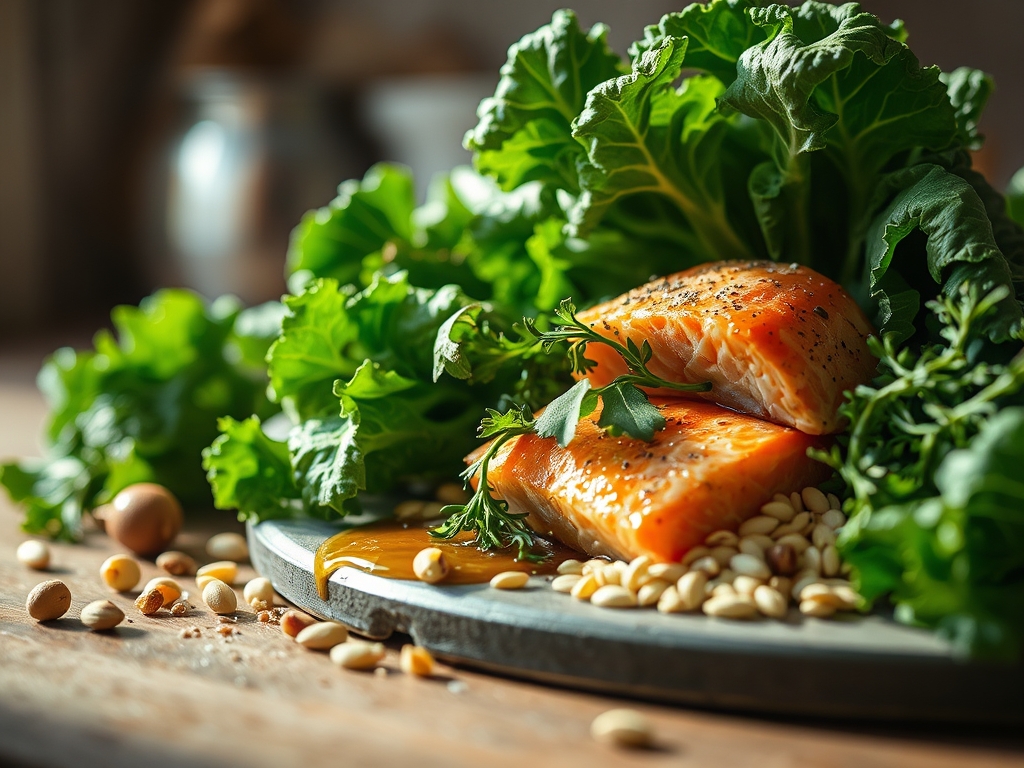
Setting your mise-en-place is the difference between a chaotic kitchen and a professional workflow. For these kale salmon recipes, precision starts with the fish. You want skin-on fillets, ideally center-cut for uniform thickness. On your workstation, you should have a bundle of Lacinato or curly kale, stripped of its fibrous woody ribs. The aromatics require a sharp microplane for zesting lemons and grating fresh garlic into a fine paste. You will need a high-quality extra virgin olive oil for its viscous mouthfeel and a piquant acid like apple cider vinegar or lemon juice to denature the tough cellulose in the greens.
Smart Substitutions are your secret weapon for versatility. If you cannot find fresh salmon, high-quality frozen fillets are often flash-frozen at sea, preserving the cellular integrity better than "fresh" fish that has sat in a display case for days. If kale feels too aggressive for your palate, Swiss chard offers a similar nutrient profile but with a softer, more delicate leaf structure. For a vegan twist on the flavor profile, use a thick slab of cauliflower "steak" seasoned with dulse flakes to mimic the oceanic salinity of the salmon. Always keep a digital scale nearby; weighing your protein ensures consistent cooking times across all nine variations of this pairing.
The Clock: Timing and Chef's Flow
Efficiency in the kitchen is about understanding thermal momentum. Total active prep time for these recipes usually clocks in at 15 minutes, with a cook time of 10 to 12 minutes depending on the thickness of your fillet. The "Chef's Flow" dictates that you prepare your greens first. Kale is incredibly hardy; unlike spinach, it does not wilt into nothingness the moment it hits heat. By prepping the kale 20 minutes before the salmon, you allow the acids in your dressing to begin breaking down the tough cell walls, a process known as chemical maceration. This ensures that by the time your salmon is resting, the kale has reached its peak tenderness.
The Masterclass:
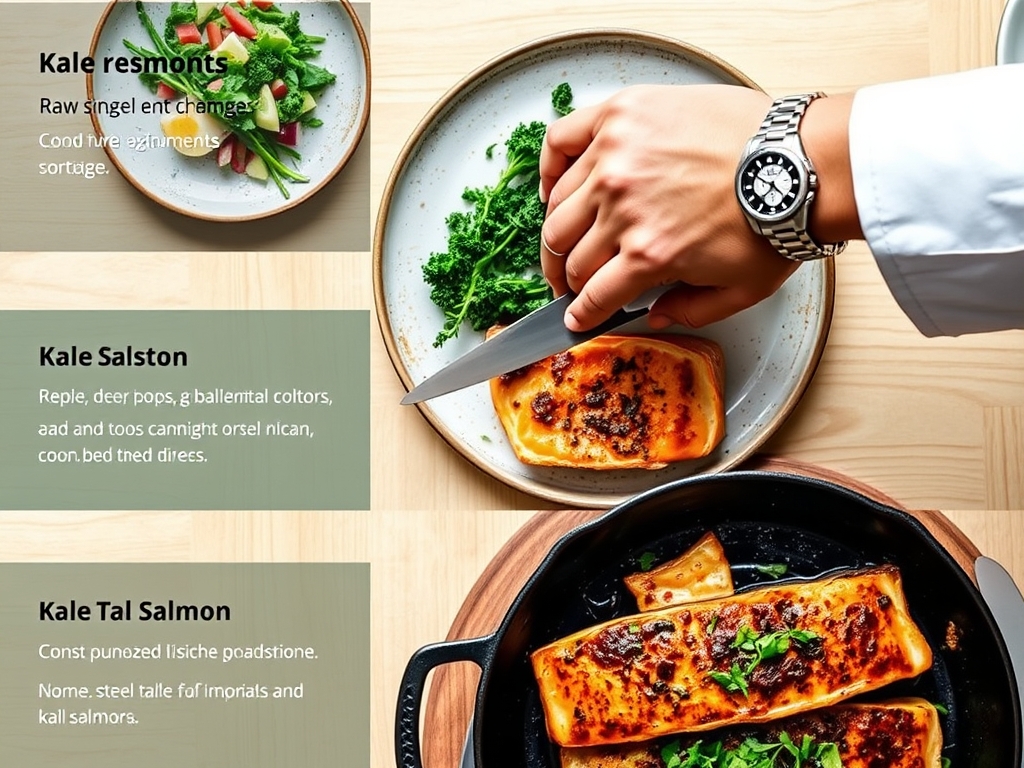
1. The Sear and Render
Place your salmon skin-side down in a cold, heavy-bottomed skillet before turning the heat to medium-high. This allows the fat to render slowly, resulting in a glass-like, crispy skin. Use a flexible fish spatula to press the fillet down firmly for the first 30 seconds to prevent the protein from curling as the collagen contracts.
Pro Tip: This technique utilizes thermal conduction to cook the fish primarily from the bottom up. The skin acts as an insulator, protecting the delicate flesh from direct, aggressive heat while the fat liquefies and fries the exterior.
2. The Kale Massage
While the salmon sizzles, place your chopped kale in a large stainless steel bowl. Add a pinch of kosher salt and a tablespoon of olive oil. Use your hands to physically squeeze and bruise the leaves for two minutes until they turn dark green and become slightly translucent.
Pro Tip: Massaging the kale breaks the cellulose structure and neutralizes the bitter glucosinolates. This mechanical breakdown makes the nutrients more bioavailable and improves the textural experience significantly.
3. The Deglaze and Infuse
Once the salmon is flipped and nearly finished, toss a knob of grass-fed butter and a smashed garlic clove into the pan. Use a spoon to baste the fish with the foaming butter. Remove the fish to rest, then immediately throw your kale into the hot pan to deglaze the brown bits (fond) left behind.
Pro Tip: The fond contains concentrated flavor from the Maillard reaction. By tossing the kale in the pan, you are using the residual heat to wilt the greens while simultaneously infusing them with the savory essence of the seared protein.
The Deep Dive:
From a macro nutrition perspective, this pairing is a gold mine. A standard serving provides approximately 35 grams of high-quality protein and a significant dose of Vitamin K, Vitamin A, and Vitamin C. The fats found in salmon are primarily polyunsaturated, which are essential for brain health and reducing systemic inflammation.
For those with specific dietary needs, these recipes are naturally Gluten-Free and Keto-friendly. To make it strictly Paleo, ensure your fat source is avocado oil or ghee rather than butter. If you are looking for a "The Fix-It" guide for common pitfalls, start with the "Soggy Skin" syndrome. This is usually caused by moisture on the surface of the fish; always pat your salmon dry with a paper towel before it hits the pan. If your kale is too bitter, increase the acid or add a tiny pinch of coconut sugar to balance the pH. If the fish is sticking, you are likely trying to flip it too early. The fish will naturally "release" from the pan once the crust has fully formed.
When it comes to meal prep, reheating salmon is a delicate science. To maintain "day-one" quality, avoid the microwave, which vibrates water molecules and toughens the protein. Instead, use a low-temperature oven (275 degrees Fahrenheit) with a splash of water in the pan, covered tightly with foil to create a steam chamber. This preserves the moisture and prevents the fats from turning rancid.
The Wrap-Up:
You have officially graduated from basic cooking to culinary engineering. By understanding how to manipulate heat, acid, and mechanical force, you have turned simple kale salmon recipes into a repeatable masterpiece. Whether you are searing for a solo weeknight win or hosting a dinner party, these techniques ensure a perfect result every single time. Now, grab your tongs, fire up that skillet, and go create something spectacular. Your body and your taste buds will thank you for the upgrade.
The Kitchen Table:
Why is my salmon white and gooey on top?
That white substance is albumin, a protein that pushes to the surface when salmon is cooked too fast or too long. To prevent this, reduce your heat slightly and aim for a medium-rare internal temperature of 125 degrees Fahrenheit.
Can I use frozen kale for these recipes?
Frozen kale is best for smoothies or stews because the freezing process ruptures the cell walls, leading to a mushy texture. For these recipes, fresh kale is essential to provide the structural contrast needed to balance the soft, fatty salmon.
How do I get the "fishy" smell out of my kitchen?
The smell comes from oxidized fats. Use a high-smoke point oil like avocado oil to prevent burning, and immediately clean your heavy-bottomed skillet after use. Simmering a pot of water with lemon peels and cinnamon can also neutralize lingering odors.
What is the best way to store leftover kale salmon?
Place the components in separate airtight containers. The kale will stay fresh for up to four days, while the salmon is best consumed within two. Always refrigerate within two hours of cooking to prevent bacterial growth and maintain the best flavor.