
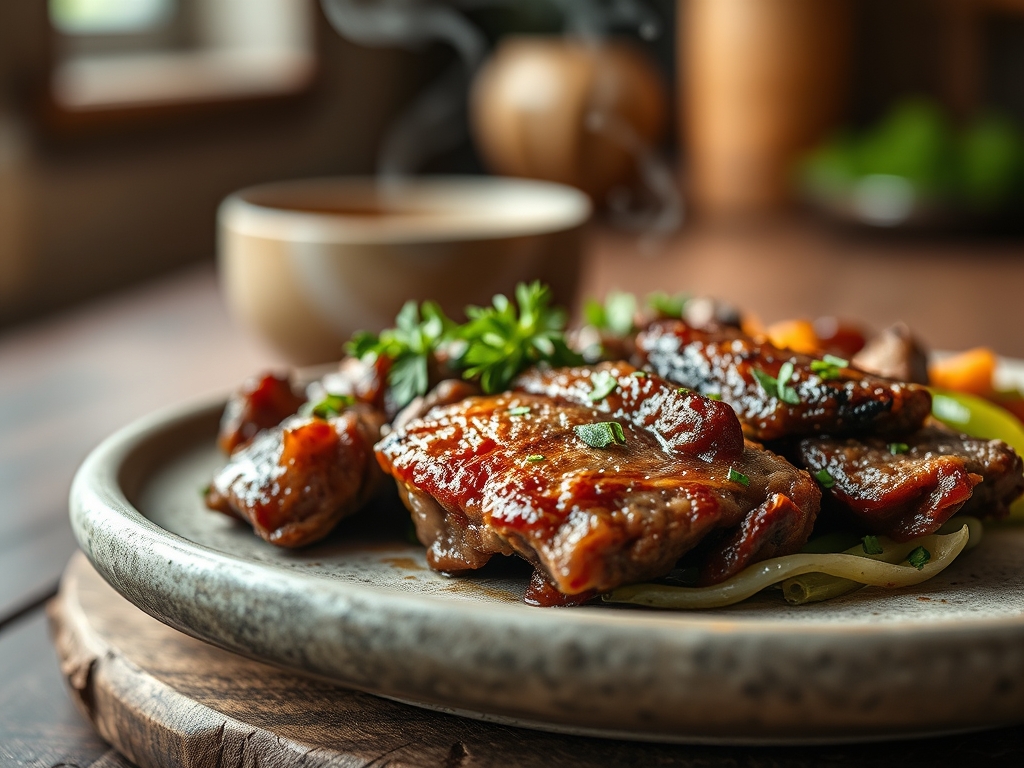
The scent of rendering fat hitting white-hot charcoal is a primal siren song that signals the start of summer. When you master grilled ground beef recipes, you are not just flipping patties; you are orchestrating a complex chemical symphony of amino acids and reducing sugars. There is a specific, intoxicating magic that happens when high-quality protein meets an open flame, transforming humble mince into a succulent, charred masterpiece that drips with savory intensity.
To get that perfect crust, we have to look past the surface. We are chasing the Maillard reaction, a chemical process that occurs between 285 and 330 degrees Fahrenheit. This is where the flavor compounds multiply, creating those deep, nutty, and savory notes that define a world-class burger or kebab. Whether you are aiming for a classic smash burger or a piquant Mediterranean kofta, the secret lies in the fat-to-lean ratio and the way you handle the meat. If you overwork the beef, you destroy the protein structure, leading to a rubbery texture. If you treat it with respect, you get a melt-in-your-mouth experience that justifies every second spent at the grill.
The Gathers:
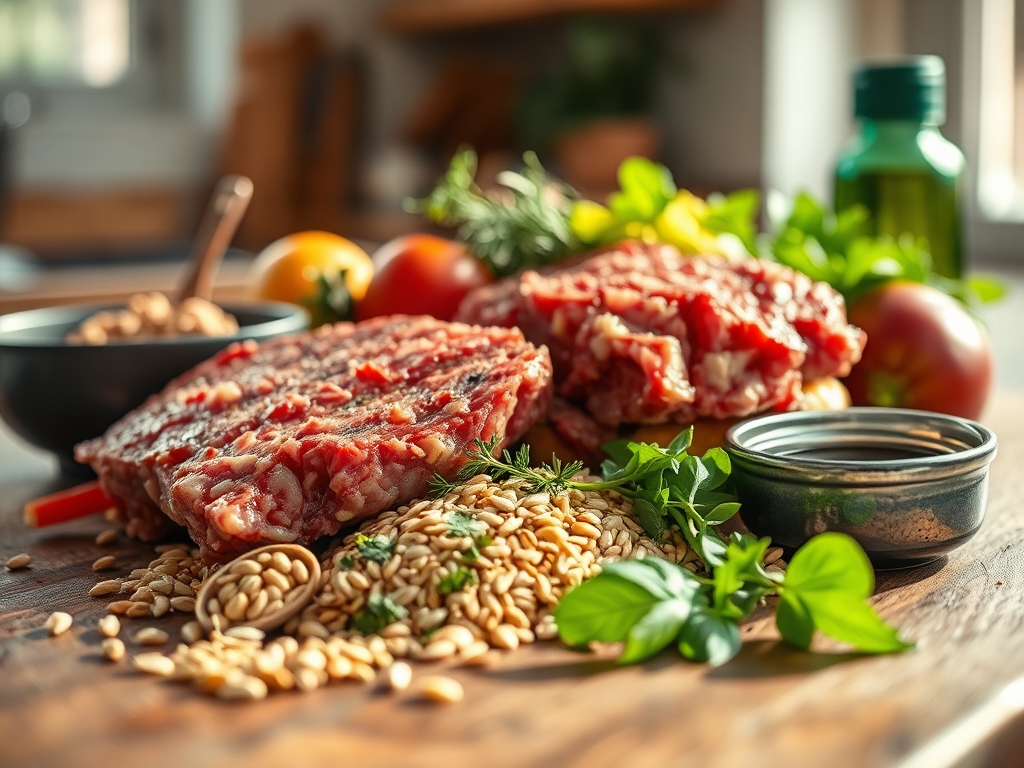
Before we fire up the burners, we need to curate our mise-en-place with surgical precision. Use a digital scale to ensure every portion is identical, which guarantees even cooking across the grate. For the ultimate grilled ground beef recipes, aim for an 80/20 blend of ground chuck. This specific ratio provides enough intramuscular fat to render during the cooking process, essentially self-basting the meat from the inside out.
Your tray should feature coarse kosher salt and freshly cracked black pepper. The large grains of salt are essential because they do not dissolve instantly; they create a tactile crust. You will also want a high-smoke-point oil, such as avocado or grapeseed oil, to lightly coat your grates. For aromatics, keep a microplane handy to zest citrus or grate garlic directly into your spice rubs.
Smart Substitutions:
If you want to lighten the caloric load without sacrificing the viscous mouthfeel of fat, try "The Mushroom Blend." Replace 25 percent of the beef with finely minced cremini mushrooms. Mushrooms contain high levels of guanylate, a compound that enhances the perception of umami. For a keto-friendly binder, swap traditional breadcrumbs for crushed pork rinds or almond flour to maintain structural integrity without the carbohydrates.
The Clock: Mastering the Chef's Flow
Time is your most valuable ingredient. Total prep time for these recipes usually clocks in at 20 minutes, with a cook time of 8 to 12 minutes depending on your desired level of doneness. However, the "Chef's Flow" dictates a mandatory 30-minute chill period after shaping your patties or skewers. This allows the proteins to cross-link, ensuring the meat does not fall through the grates.
Always factor in a 5-minute rest period post-grill. During this time, thermal carryover will raise the internal temperature by about 5 degrees. If you pull your beef at 155 degrees Fahrenheit, it will reach a perfect, safe 160 degrees while resting on the board.
The Masterclass:
1. The Aeration Fold
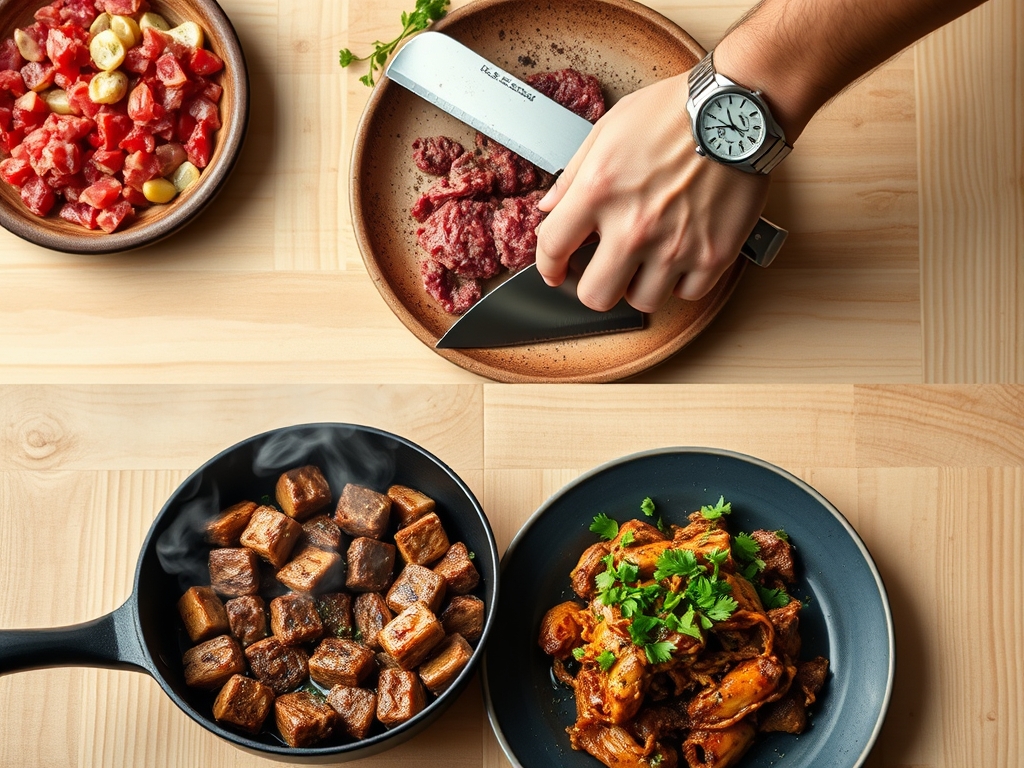
When mixing your seasonings, use a bench scraper or your fingertips to gently toss the meat rather than kneading it. You want to aerate the mixture to keep it light.
Pro Tip: Over-mixing causes proteins to bond too tightly, creating a dense, "sausage-like" texture. Keeping the grind loose allows heat to penetrate the air pockets, resulting in a juicier bite.
2. The Dimple Technique
Press a shallow indentation into the center of your patties using your thumb. This prevents the "football effect" where the meat puffs up in the center during protein coagulation.
Pro Tip: This is a lesson in thermodynamics. The edges cook faster and contract, pushing the juices to the center. The dimple compensates for this expansion, ensuring a flat surface for even topping distribution.
3. The Sear and Zone Move
Place your beef over direct high heat to achieve enzymatic browning. Once a crust forms, use heavy-duty tongs to move the meat to a cooler, indirect heat zone to finish.
Pro Tip: This two-zone method prevents the outside from carbonizing before the interior reaches a safe temperature. It is the best way to manage the transition from the Maillard reaction to internal fat rendering.
4. The Glaze Infusion
If using a sauce, apply it only during the last two minutes of grilling. Use a silicone basting brush to coat the surface evenly.
Pro Tip: Most sauces contain sugar, which undergoes pyrolysis (burning) at high temperatures. Applying it late allows the sauce to infuse and tack up without turning bitter or scorched.
The Deep Dive:
Macro Nutrition:
A standard 4-ounce serving of 80/20 grilled ground beef provides approximately 280 calories, 20 grams of protein, and 22 grams of fat. It is a powerhouse of Vitamin B12, Zinc, and bioavailable Iron. To optimize the nutrient profile, pair your beef with grilled cruciferous vegetables to add fiber and antioxidants.
Dietary Swaps:
For a vegan alternative, utilize pea-protein based crumbles mixed with a touch of beet juice for color and coconut oil for a "fatty" sizzle. For those following a gluten-free protocol, ensure your Worcestershire sauce or liquid aminos are certified GF, as these are common hidden sources of wheat.
The Fix-It: Troubleshooting Common Pitfalls
- The Meat is Sticking: This usually happens because the grates weren't hot enough or the meat wasn't ready to "release." The Fix: Wait for the protein to fully sear; it will naturally detach from the metal once the crust is formed.
- Flare-ups: Excess fat dripping onto coals causes soot to deposit on your food. The Fix: Move the meat to the indirect side of the grill immediately and close the lid to starve the fire of oxygen.
- Dry Texture: You likely pressed the meat with a spatula, squeezing out the juices. The Fix: Never press! Use a digital thermometer to pull the meat the moment it hits 155 degrees.
Meal Prep & Reheating:
To maintain "day-one" quality, reheat your grilled beef in a heavy-bottomed skillet with a tablespoon of water or beef bone broth. Cover with a lid to create a steam chamber. This rehydrates the protein fibers without overcooking the center.
The Wrap-Up:
Mastering grilled ground beef recipes is the ultimate culinary power move. By understanding the science of the sear and the importance of thermal rest, you elevate a simple weeknight meal into a gourmet experience. Grab your tongs, trust your digital thermometer, and get ready to dominate the backyard circuit with confidence and wit!
The Kitchen Table:
How do I keep ground beef from falling through the grill?
Ensure the meat is very cold before grilling and avoid over-handling. Use a fine-mesh grill grate or a heavy-bottomed skillet directly on the coals if the grind is too loose to hold a shape on standard bars.
What is the best fat ratio for grilling?
The gold standard is 80% lean and 20% fat. This provides enough lipids to render and create a juicy interior while preventing the patty from shrinking excessively or causing dangerous grease flare-ups on the grill.
Should I salt the beef before or after shaping?
Always salt the exterior right before the meat hits the heat. Salting the meat too early dissolves the protein myosin, which turns the texture from a tender burger into a springy, dense processed meat consistency.
How do I know when the beef is done without cutting it?
Use a digital thermometer inserted into the thickest part of the meat. For ground beef, the USDA recommends an internal temperature of 160 degrees Fahrenheit to ensure all food-borne pathogens are neutralized while maintaining moisture.