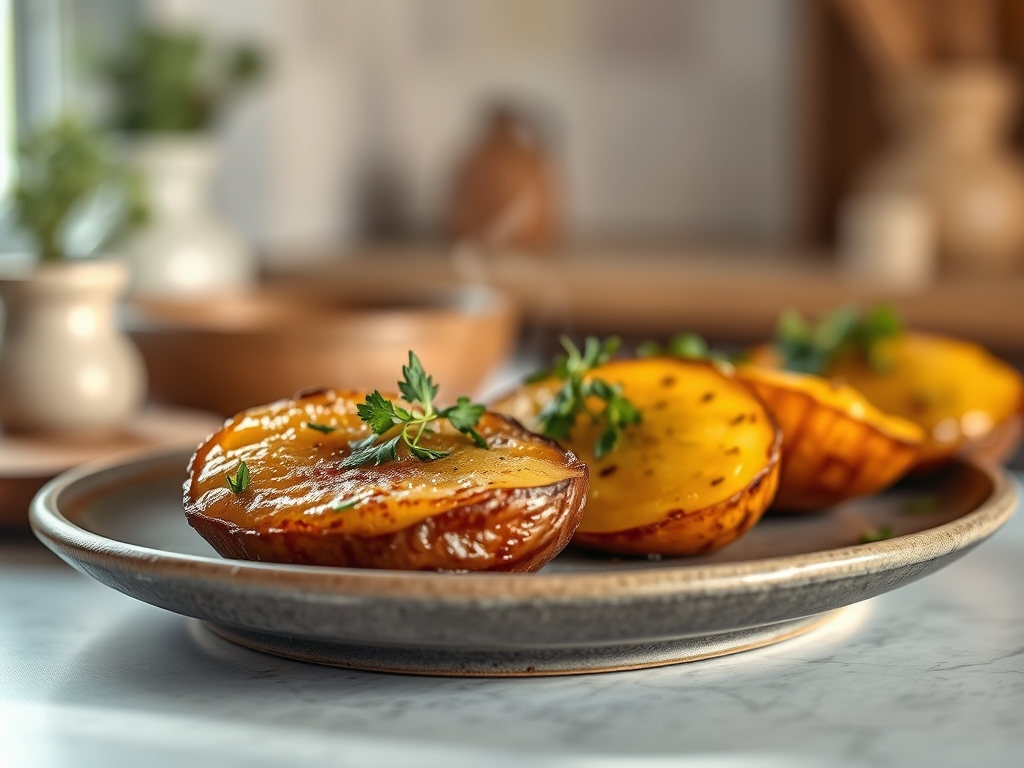
Picture the kitchen at five in the evening. The air is heavy with the scent of roasting garlic and the sharp, metallic tang of cold steel knives against wood. You want the crunch; you want the fluff; but you do not want the stress. Mastering do ahead potato recipes is the secret to reclaiming your evening without sacrificing that golden, glass-like crust we all crave. It is about outsmarting the starch before it outsmarts you.
Potatoes are temperamental little chemical bombs. They are packed with water and complex carbohydrates that want to turn into glue the moment you look away. By understanding how to manipulate their cellular structure twenty-four hours in advance, you move from being a line cook to a culinary architect. We are going to use cold-water baths to leach excess sugars and par-boiling techniques to create a shaggy, high-surface-area exterior that shatters upon impact. Whether you are prepping for a massive holiday gala or just trying to survive a Tuesday night, these hacks ensure your spuds are the star of the show. Grab your favorite apron and a glass of something crisp. We are diving into the beautiful, starchy science of the humble tuber.
The Gathers:
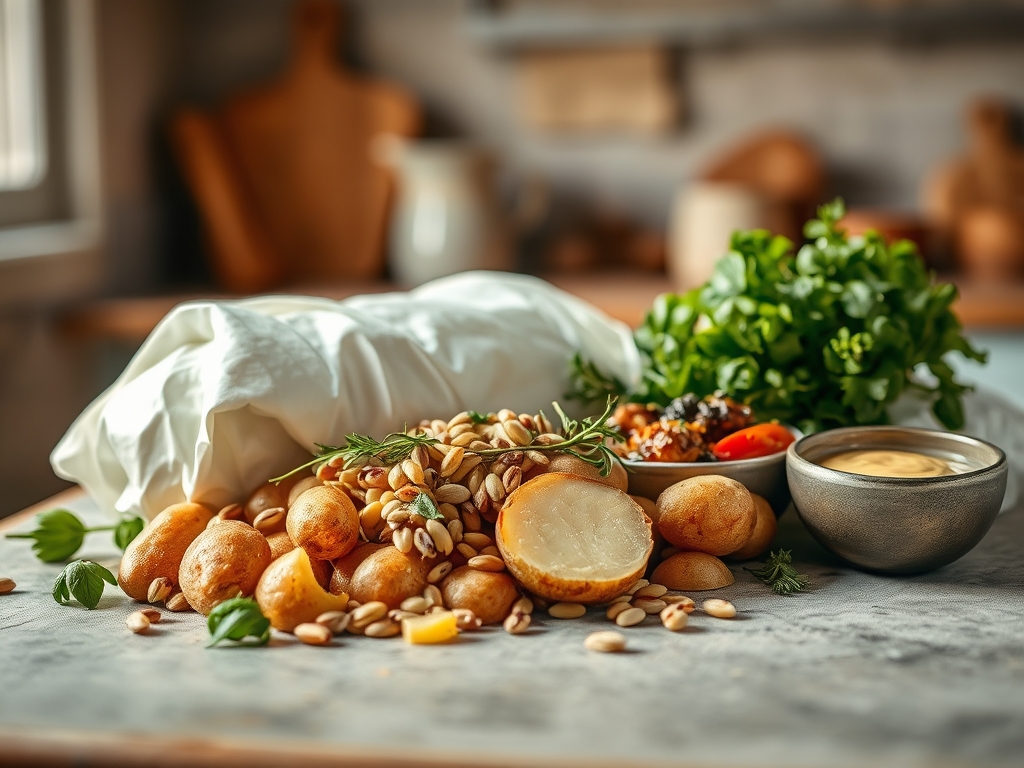
To execute these do ahead potato recipes with precision, your mise-en-place must be impeccable. We are looking for high-starch varieties like Russets for fluff or waxy Yukon Golds for a creamy, viscous mouthfeel. You will need a digital scale to ensure uniformity; consistency in size is the only way to guarantee even heat distribution. Gather your aromatics: fresh rosemary sprigs, whole garlic cloves to infuse your fats, and high-quality sea salt.
For your fats, think beyond butter. We want a high smoke point for the finish. Duck fat or beef tallow provides a piquant depth that vegetable oils simply cannot match. If you are leaning into "Smart Substitutions," swap heavy cream for a cashew-based crema to keep things vegan while maintaining that luxurious texture. Use a microplane to zest lemon over your finished dishes; the acid cuts through the richness of the starch perfectly. Ensure you have a bench scraper handy to move your chopped spuds without bruising the delicate cell walls.
The Clock
The "Chef's Flow" is all about overlapping tasks to minimize active labor. Total prep time for these six hacks is roughly sixty minutes, but the passive time is where the magic happens. You are looking at a two-hour window for soaking and chilling.
- Active Prep (30 mins): Peeling, cubing, and initial blanching.
- Passive Phase (2-24 hours): Cold-soaking or freezer-setting to stabilize the pectin.
- The Finish (15-20 mins): The final high-heat blast to trigger the Maillard reaction.
By front-loading the labor, you reduce your "game day" involvement to a simple transfer from fridge to oven. This flow prevents the frantic "potato panic" that occurs when you realize your centers are still raw while your guests are already at the door.
The Masterclass
1. The Cold-Water Leach
Peel and cut your potatoes into uniform batons or cubes. Immediately submerge them in a bowl of ice-cold water. This removes surface starch that would otherwise burn in the pan.
Pro Tip: This process prevents enzymatic browning, a chemical reaction where polyphenol oxidase meets oxygen. By keeping them submerged, you stall the oxidation process for up to twenty-four hours.
2. The Par-Boil and Scuff
Boil your potatoes in heavily salted water until the edges are just tender. Drain them and give them a vigorous shake in the pot to roughen the edges.
Pro Tip: Roughening the surface increases the surface area. This creates a "mash" coating that, when dehydrated in the fridge, turns into an ultra-crispy shell during roasting.
3. The Fat Infusion
While your potatoes cool, melt your chosen fat in a saucier with smashed garlic and herbs. Let it sit on the counter to infuse the lipids with aromatic oils.
Pro Tip: Fats are excellent carriers for flavor. By pre-infusing, you ensure the flavor penetrates the potato's porous surface during the final cook rather than just sitting on top.
4. The Freezer Flash
For the ultimate fry or roast potato, spread your par-boiled spuds on a baking sheet and freeze them for one hour before bagging them for the week.
Pro Tip: Freezing creates microscopic ice crystals that rupture the starch granules. This results in an interior that is incredibly light and aerated once it hits the hot oil.
5. The Acid Bath
Add a tablespoon of white vinegar to your boiling water. This helps the potato retain its shape even if you accidentally overcook it.
Pro Tip: Vinegar strengthens the pectin in the potato's cell walls. This allows you to prep them ahead without worrying about them turning into mush during the second cook.
6. The Heavy-Bottomed Sear
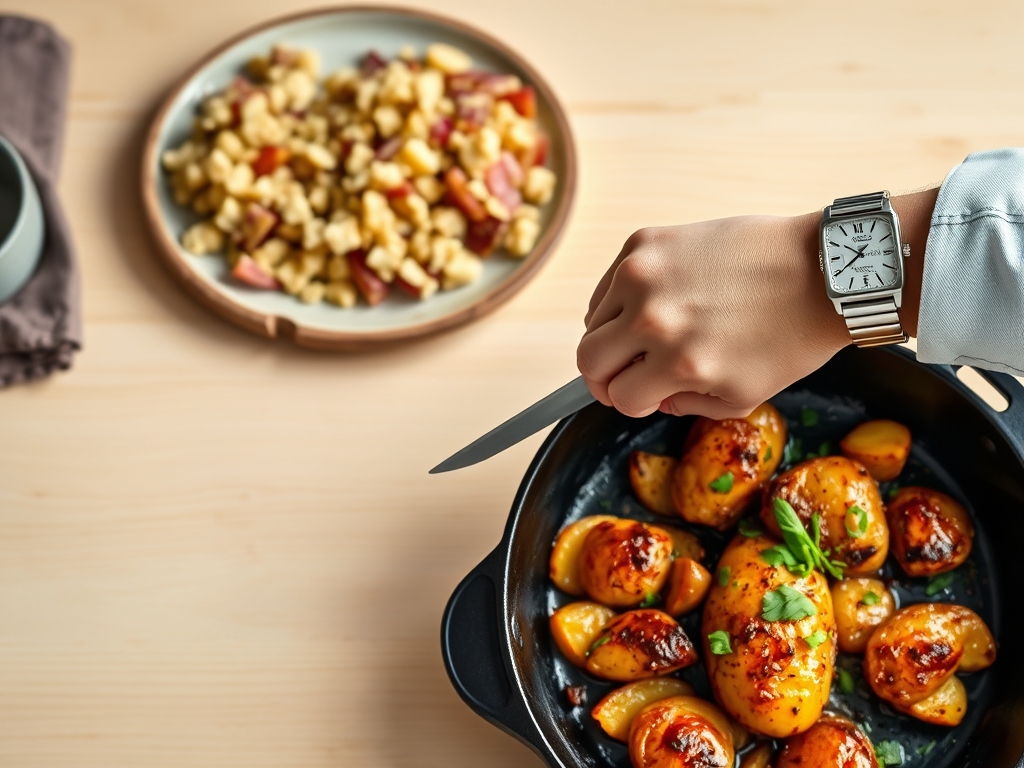
When you are ready to serve, use a heavy-bottomed skillet or cast iron to finish the potatoes. The thermal mass ensures the temperature doesn't drop when the cold potatoes hit the pan.
Pro Tip: Use tongs to flip each piece individually. This ensures maximum contact with the heat source, facilitating a rapid Maillard reaction for that deep umami flavor.
The Deep Dive
From a macro perspective, potatoes are a powerhouse of potassium and complex carbs. While they are often vilified, they are actually incredibly satiating. For those on restricted diets, these hacks still work. Keto followers can swap potatoes for radishes or cauliflower using the same "infusion" techniques. Vegan chefs should focus on rendering coconut oil with smoked paprika to mimic the savory notes of animal fats.
The Fix-It:
- Gray Potatoes: This happens when they aren't fully submerged in water. Fix: Add a splash of lemon juice to the soaking liquid to lower the pH.
- Soggy Results: You crowded the pan. Fix: Roast in batches or use two pans to allow steam to escape.
- Burnt Outside, Raw Inside: Heat was too high. Fix: Lower the oven temp and use thermal carryover by letting them rest for five minutes after pulling them out.
Meal Prep Science: To reheat, avoid the microwave. It turns starch into a rubbery mess. Instead, use an air fryer or a hot oven for five minutes to re-crisp the exterior lipids.
The Wrap-Up
Mastering do ahead potato recipes is the ultimate culinary "level up." You are no longer reacting to the kitchen; you are commanding it. By utilizing these six hacks, you ensure every meal features a side dish that is technically perfect and emotionally comforting. Remember, the secret is in the prep. Treat your starches with respect, manage your temperatures, and never be afraid to get a little "shaggy" with your par-boiling. Now, go forth and crisp.
The Kitchen Table
Can I peel potatoes the night before?
Yes. Store peeled potatoes in a bowl of cold water in the refrigerator. Ensure they are completely submerged to prevent oxidation and browning. Add a teaspoon of lemon juice or vinegar to the water to keep the flesh bright and white.
How do I stop pre-cut potatoes from getting soggy?
The key is thorough drying. After soaking, pat the potatoes completely dry with a clean kitchen towel or paper towels. Any residual moisture will create steam in the oven, preventing the crisp, golden crust from forming during the roasting process.
What is the best potato for do ahead roasting?
Yukon Golds are the gold standard for prep. They have a medium starch content that holds its shape through par-boiling and storage, while still providing a creamy interior. Their thin skins also mean you can skip the peeling step entirely.
Can I freeze par-boiled potatoes for later?
Absolutely. After par-boiling and cooling, freeze them in a single layer on a tray before transferring to a freezer bag. This prevents clumping. You can roast them directly from frozen, which actually enhances the final crunch through moisture loss.